
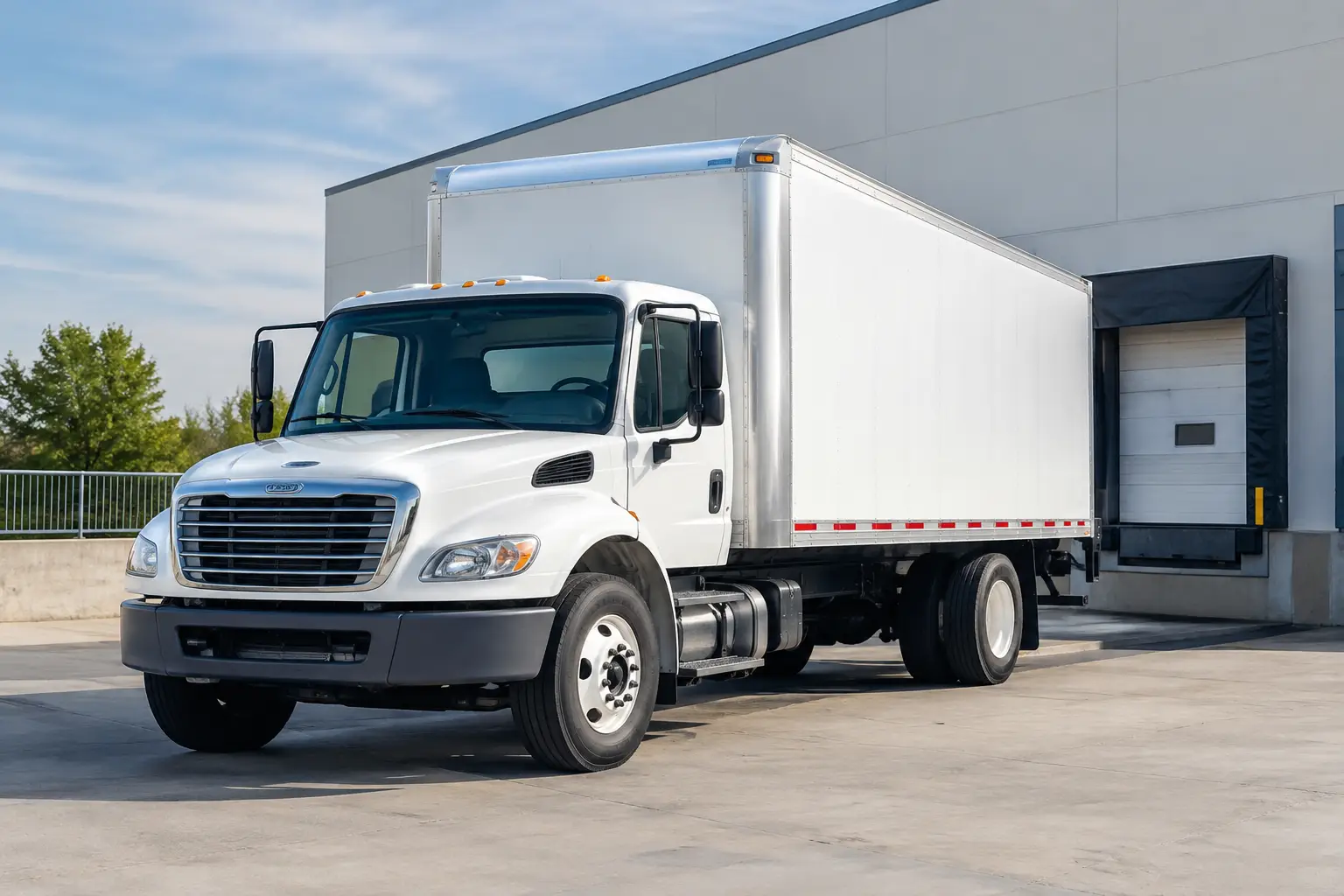
When Should Businesses Use Straight Trucks for Freight?
See when businesses should use straight trucks for regional freight, final-mile delivery, and shipments needing flexible, dock-free freight transportation options.

How to Schedule Dedicated Routes for Reliable Freight
Learn how to schedule dedicated routes with the right lane data, equipment, timing, and carrier plan to improve freight reliability and control daily.

Best Delivery Options for Jobsites That Keep Work Moving
Compare the best delivery options for jobsites, from flatbeds to final-mile service, and choose the right equipment, timing, and coordination for crews.

Private Fleet Versus Outsourcing: Which Fits?
Compare private fleet versus outsourcing for capacity, cost control, service requirements, and cross-border freight planning across North American lanes.

Freight Lane Analysis Guide for Better Shipping
Use this freight lane analysis guide to compare cost, capacity, transit time, and risk across U.S., Canadian, and cross-border shipping routes for teams.

How to Prevent Freight Damage Before It Ships
Learn how to prevent freight damage with practical packing, loading, carrier coordination, and receiving controls for dependable cross-border shipments.
Top Logistics Companies in Canada and USA Compared
Compare top logistics companies in Canada and USA by freight coverage, cross-border capability, equipment, and service fit for commercial shippers today.

Top Freight Capacity Planning Tips for Shippers
Top freight capacity planning tips to help shippers secure trucks, manage cost exposure, and protect delivery performance across critical lanes year-round.

Why Do Freight Quotes Change Before Pickup?
Why do freight quotes change? Learn how capacity, fuel, freight details, accessorials, and cross-border requirements affect your final shipping cost today.
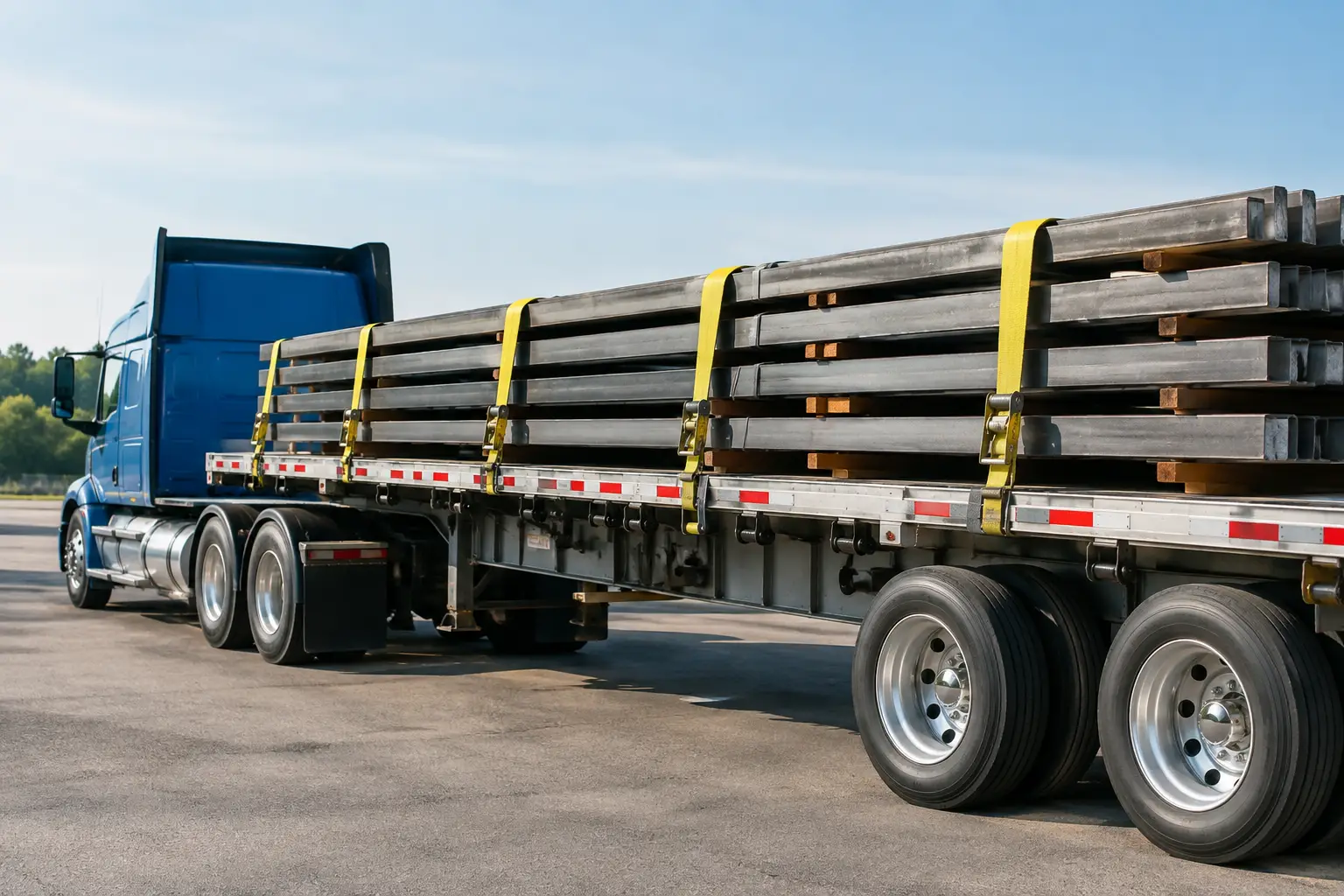
How to Secure Flatbed Cargo for Safe Transit
Learn how to secure flatbed cargo with the right equipment, inspection steps, and load planning for safer, compliant freight movement across every lane.

Why Do Shipments Arrive Late? Causes and Fixes
Why do shipments arrive late? Learn carrier, weather, and border factors behind delays and how shippers can reduce risk and protect deliveries better.

How to Prevent Missed Appointments in Freight
Learn how to prevent missed appointments with practical freight scheduling, carrier communication, site readiness, and exception-management steps today.

Carrier Contract Versus Spot Market: Which Fits?
Compare carrier contract versus spot market freight options to balance cost, capacity, and service across U.S. and Canada shipping lanes with confidence.
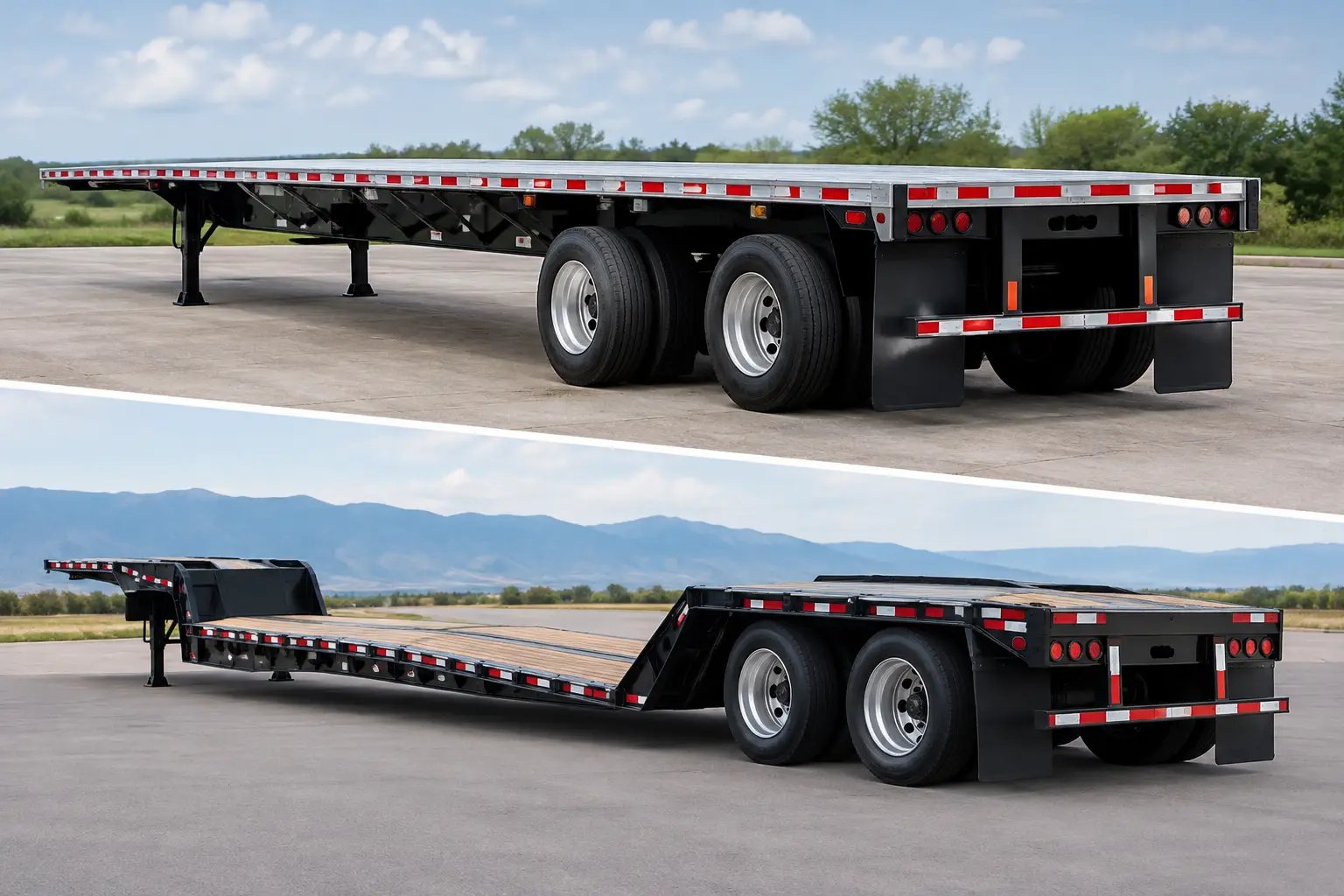
Flatbed Versus Step Deck Trailers Compared
Compare flatbed versus step deck trailers by freight height, loading access, permits, securement, and route needs for better equipment decisions daily.

How to Reduce Freight Claims Before They Start
Learn how to reduce freight claims through better packaging, loading, documentation, carrier coordination, and delivery controls for U.S. freight shipments.

How to Tender Truckload Freight Without Delays
Learn how to tender truckload freight using complete load details, carrier confirmation, tracking, and cross-border documents for reliable daily delivery.

How to Tender Recurring Freight Without Gaps
Learn how to tender recurring freight with lane data, capacity planning, carrier selection, and performance controls for dependable daily freight execution.

What Is White Glove Freight and When Is It Needed?
What is white glove freight? Learn how specialized delivery, inside placement, setup, and scheduling protect high-value B2B shipments on site.
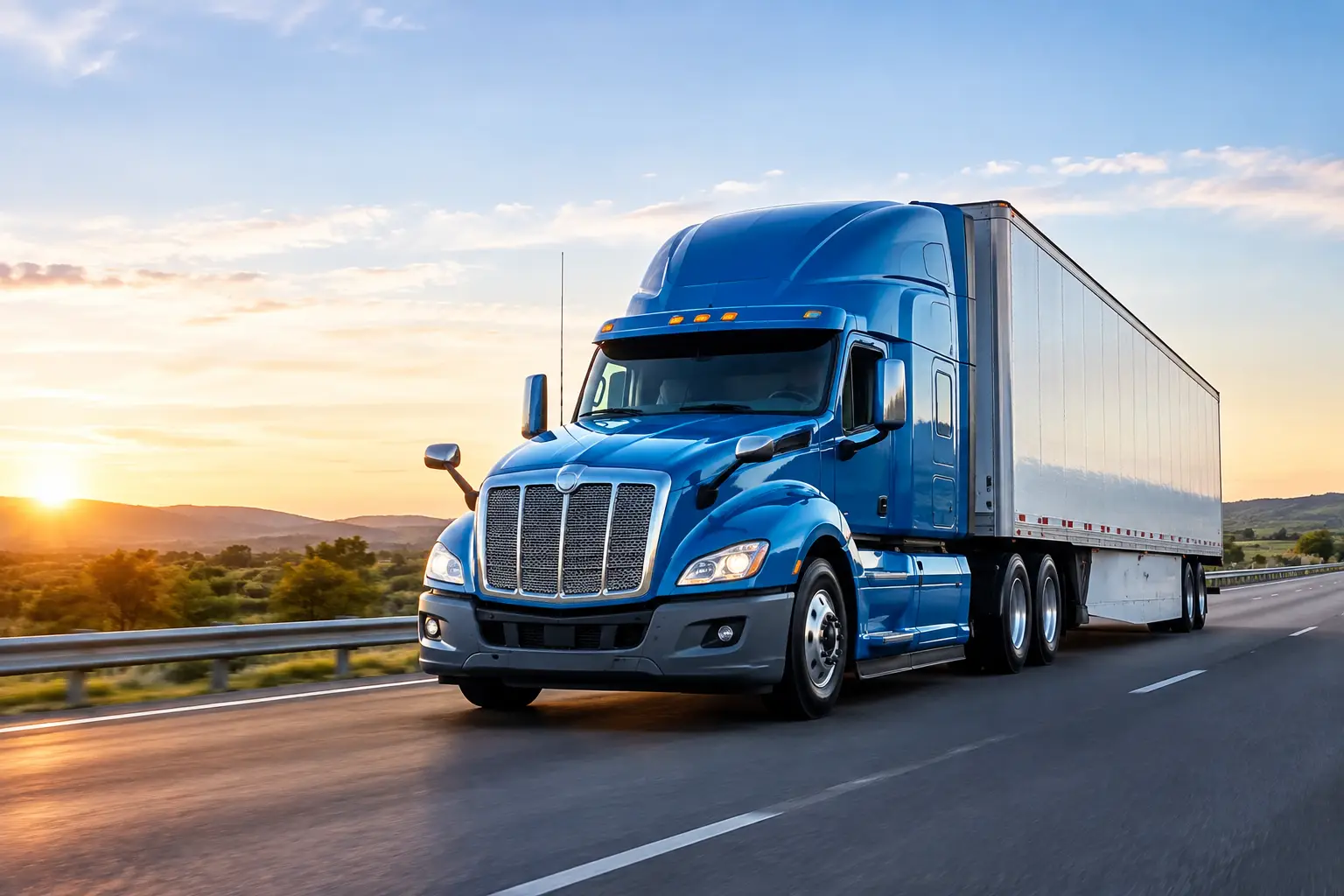
Why Use Asset-Based Carriers for Freight?
Why use asset-based carriers? Learn where owned capacity improves freight control, visibility, and delivery performance on key U.S.-Canada freight lanes.
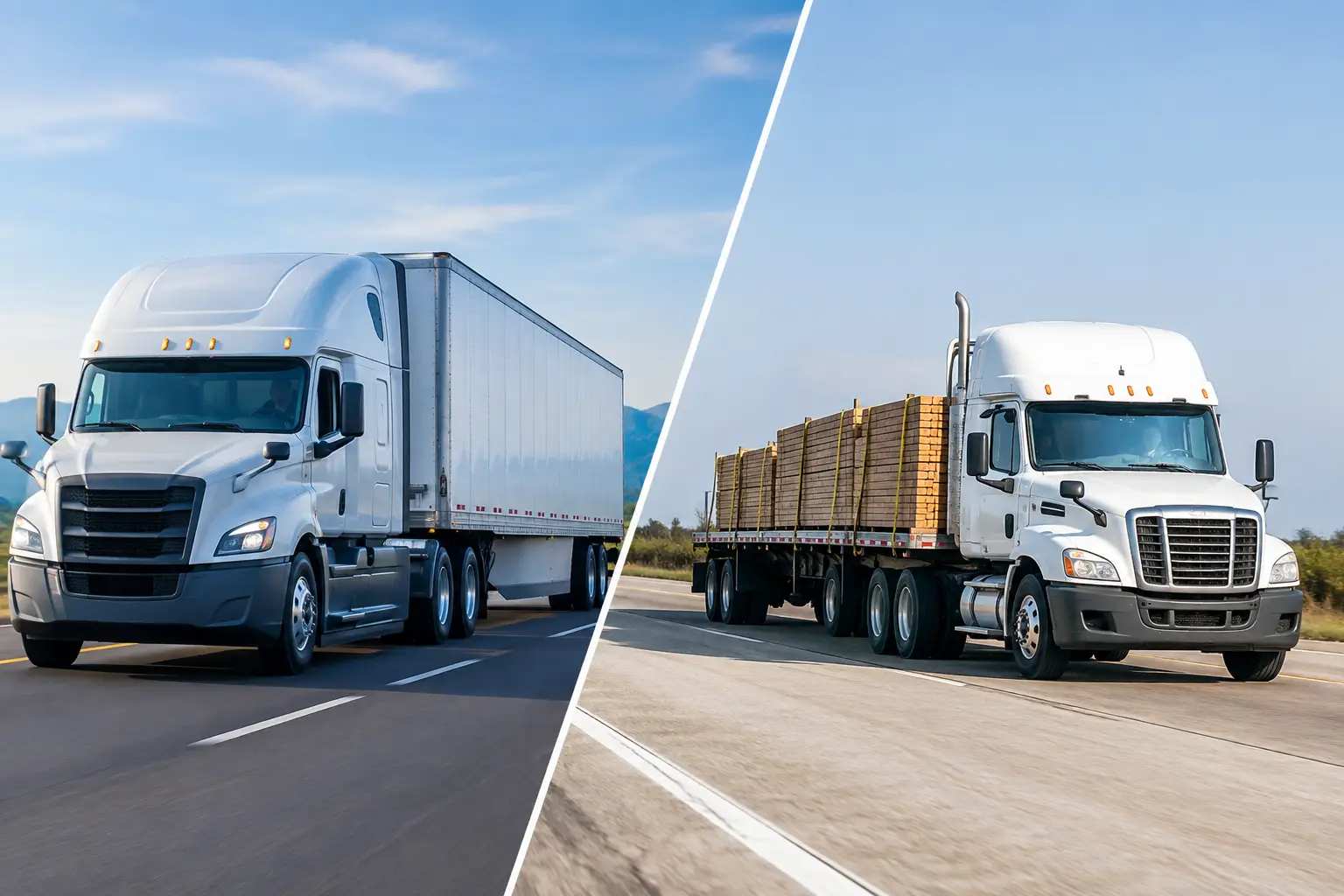
Dry Van Versus Flatbed for Commercial Freight
Compare dry van versus flatbed shipping for protection, loading access, cost, and cross-border freight planning across the United States and Canada lanes.

Freight Broker Vetting for Confident Shipping
Freight broker vetting helps shippers confirm authority, insurance, carrier controls, communication standards, and cross-border execution before a load moves.
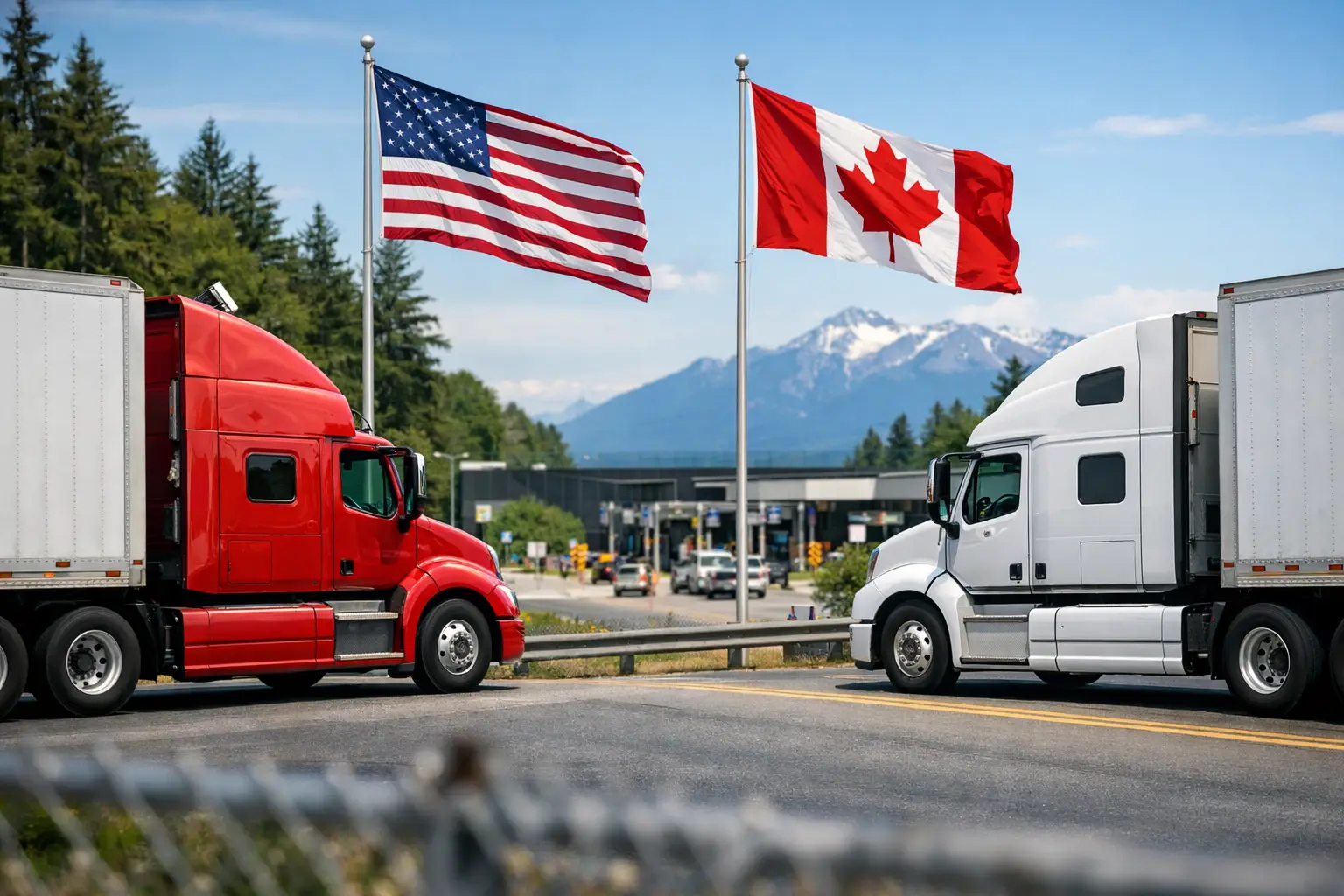
Canada US Freight Rules for Cross-Border Shippers
Canada US freight rules affect classification, customs entries, carrier planning, and delivery timing. Use controls before tendering cross-border loads.

What Causes Detention in Freight Shipping?
What causes detention in freight shipping? Learn the common delays at docks, how carriers calculate time, and how shippers can prevent more costly fees.

Freight Visibility Platforms Review for Shippers
A freight visibility platforms review for shippers: assess data quality, carrier coverage, alerts, integrations, and cross-border freight fit by lane.

Cross-Border Trade Trends Shaping Freight
Cross-border trade trends are changing how U.S. and Canadian shippers plan capacity, manage customs, and protect delivery performance across key lanes.

How to Reduce Detention Charges on Freight
Learn how to reduce detention charges with stronger appointment planning, faster loading, carrier communication, and accurate cross-border documents daily.

Carrier Performance Scorecard That Drives Results
Build a carrier performance scorecard that measures service, capacity, cost, claims, and compliance to improve freight decisions across every lane today.

Dedicated Fleet Planning Guide for Shippers
Use this dedicated fleet planning guide to set capacity, equipment, routes, costs, and KPIs for dependable US and Canada freight operations with control.
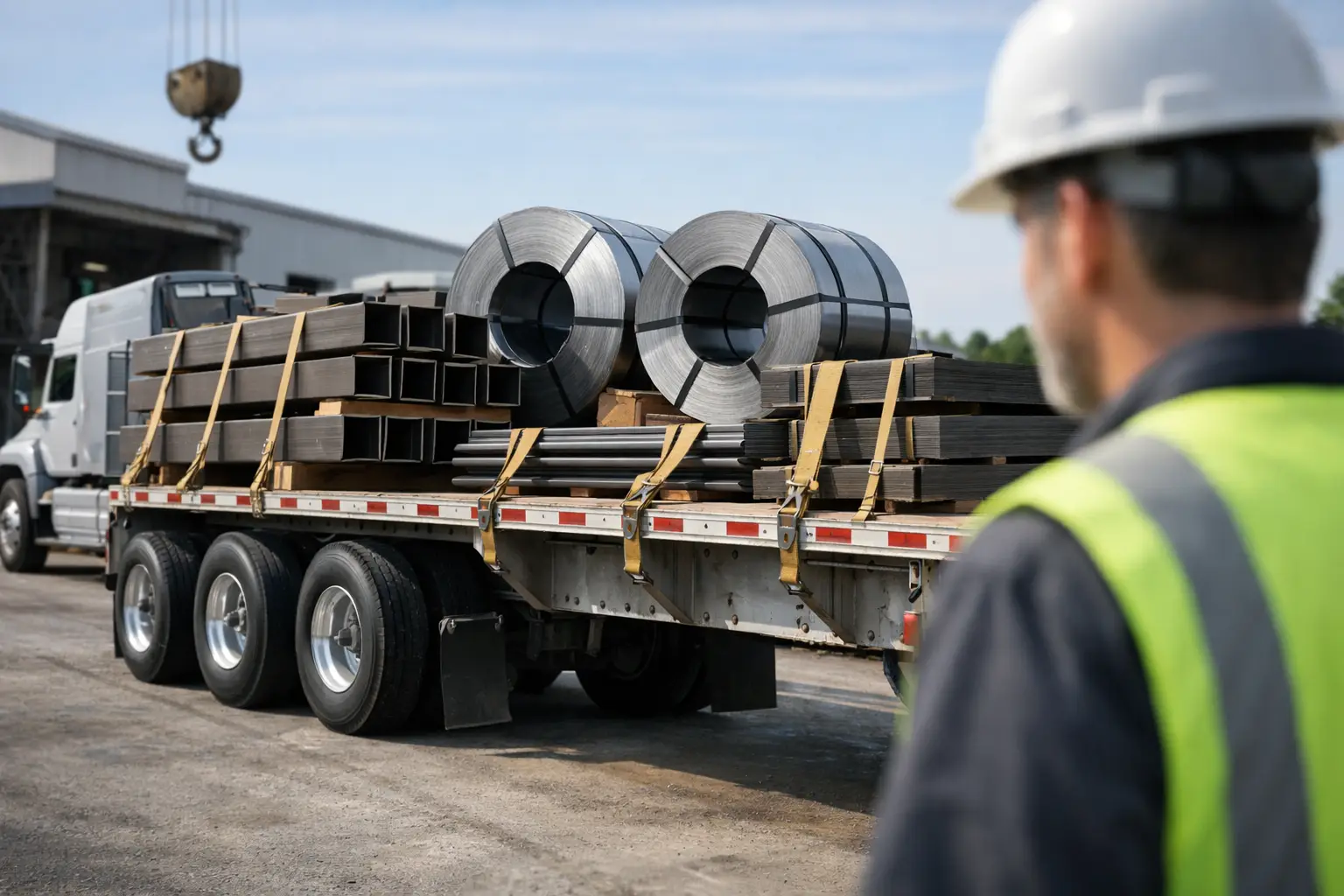
A Steel Shipping Example for Flatbed Planning
Use this steel shipping example to plan safe, compliant flatbed freight, from load details and securement to cross-border delivery coordination needs.
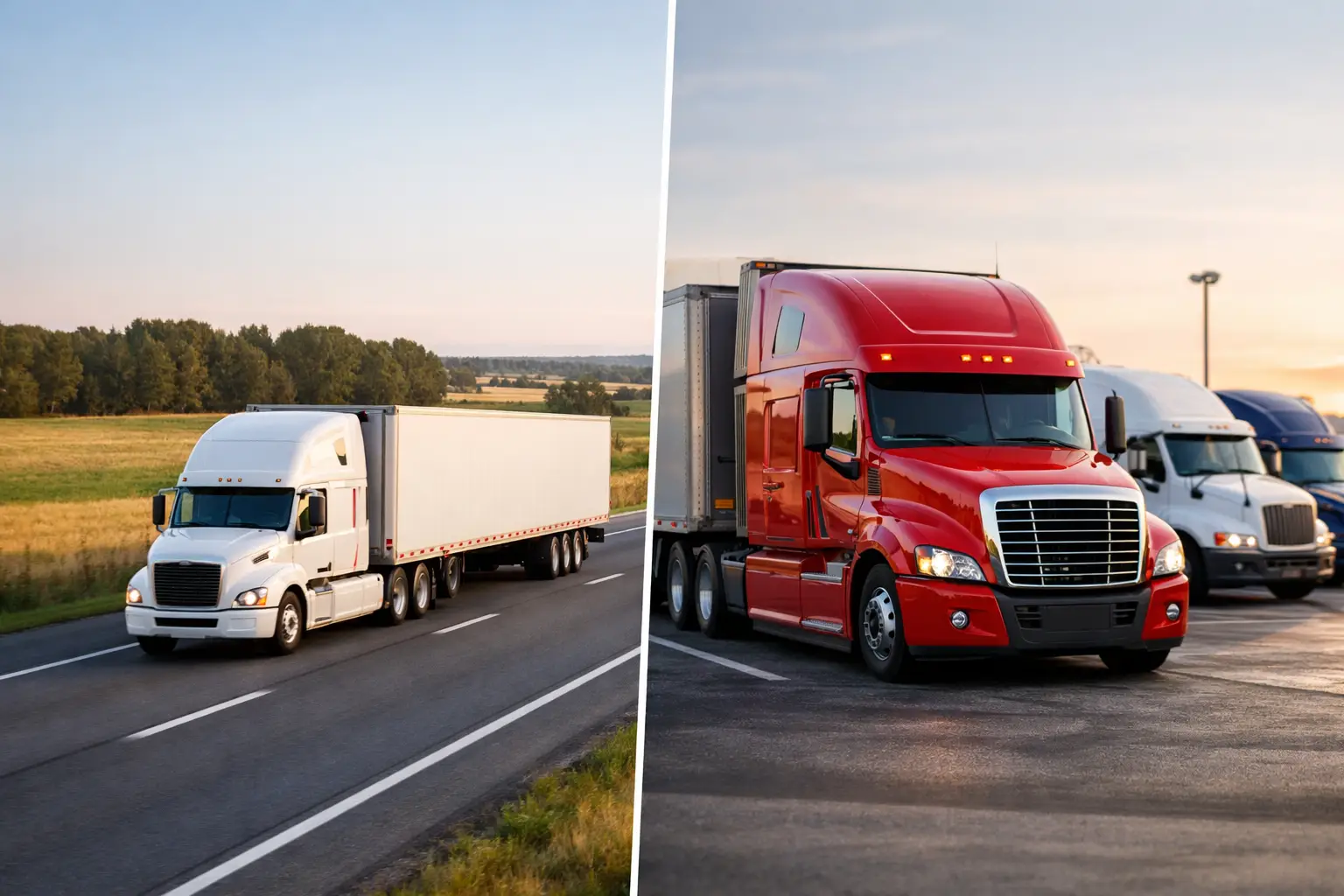
Dedicated Route Versus Common Carrier Options
Compare dedicated route versus common carrier options to match freight volume, delivery timing, capacity needs, and cross-border shipping requirements.
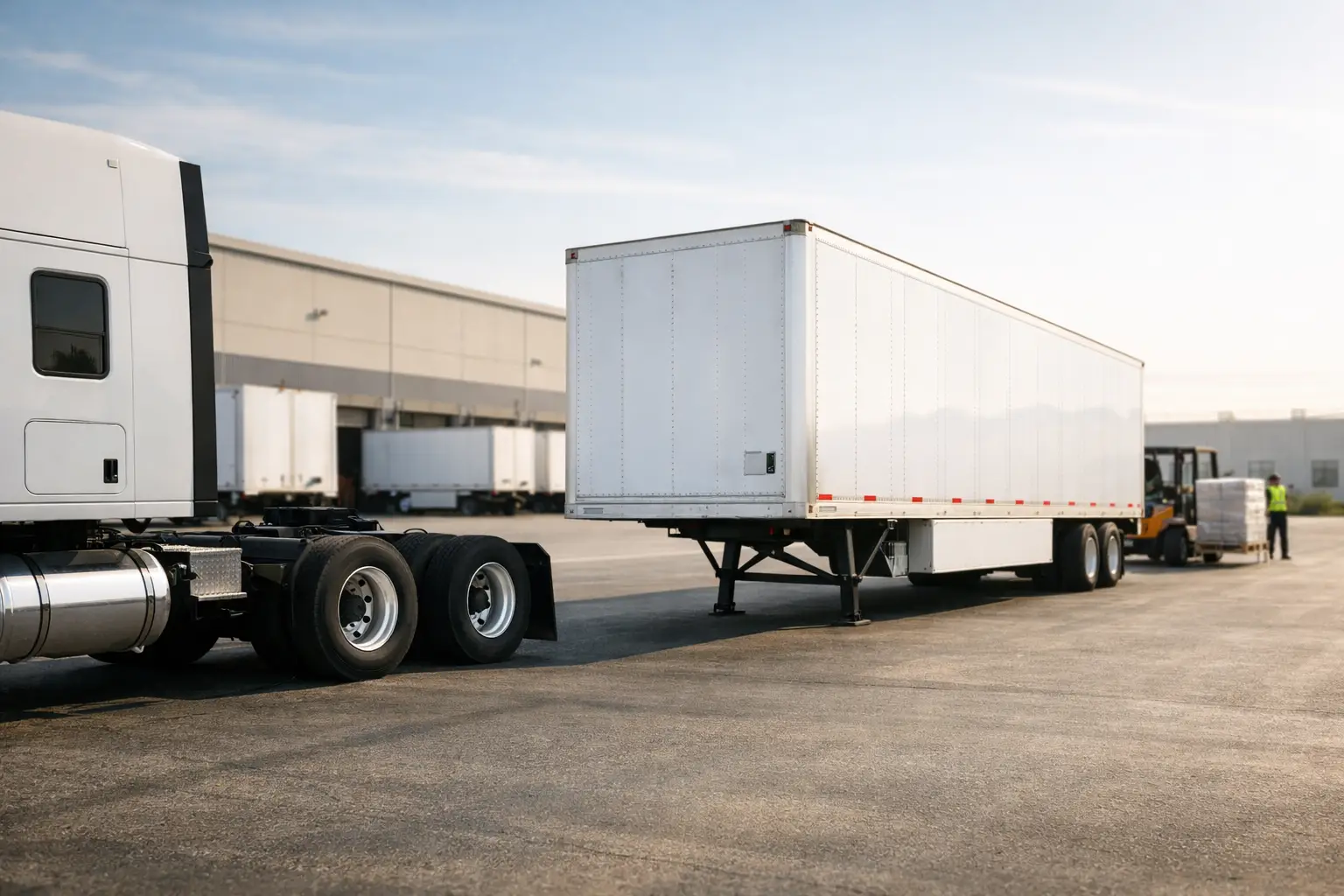
Drop Trailer Benefits for High-Volume Shippers
See how drop trailer benefits can reduce dock congestion, protect production schedules, and give high-volume shippers more control over daily freight flow.

When In House Logistics Outsourcing Works
In house logistics outsourcing can expand capacity and control. Learn when it fits, how to structure it, and what shippers should measure on key routes.

Carrier Safety Review for Reliable Freight
Use a carrier safety review to assess authority, insurance, equipment, and operating performance before assigning freight across US and Canada lanes.

Carrier Sourcing That Protects Freight Capacity
Carrier sourcing gives shippers a disciplined way to secure daily capacity, control risk, and protect delivery performance across U.S. and Canadian lanes.

Freight Automation That Improves Delivery Control
Freight automation reduces manual work, improves shipment visibility, and strengthens carrier coordination for domestic and cross-border freight logistics.

Brokerage Versus Managed Transportation
Brokerage versus managed transportation: compare cost, control, capacity, and accountability to choose the right freight model for your shipping network.

Cargo Insurance Requirements for Freight Shippers
Cargo insurance requirements vary by carrier, contract, and freight type. Learn what shippers should verify before domestic or cross-border loads move.

How to Select Freight Carriers for Better Service
Learn how to select freight carriers based on lane fit, equipment, capacity, compliance, visibility, and service performance for dependable shipping needs.

Manufacturing Freight Routing That Holds Up
Manufacturing freight routing works best when plants plan around production schedules, equipment, border requirements, and receiving constraints early.
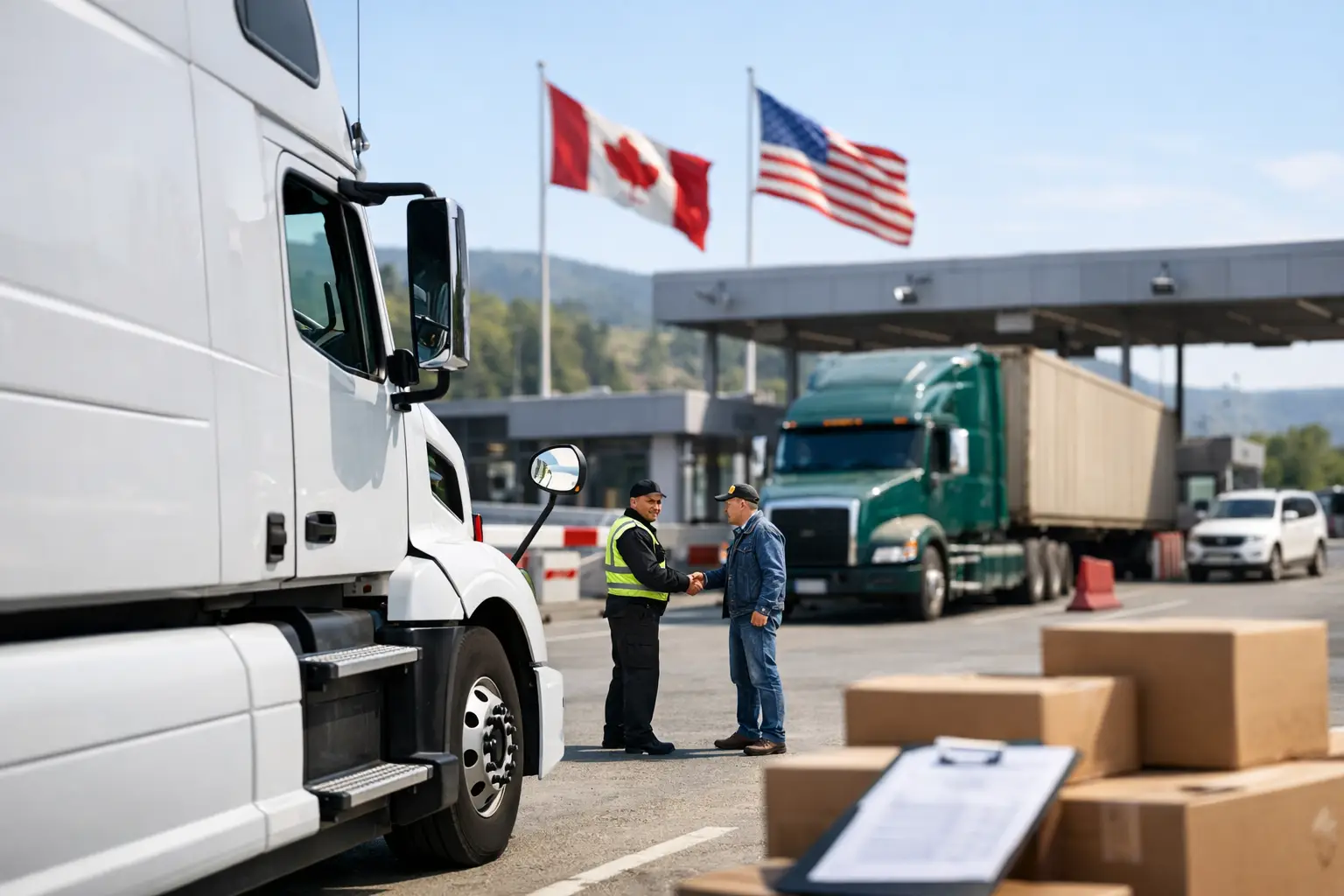
How to Route Border Shipments Without Delays
Learn how to route border shipments with the right carrier, documents, equipment, and clearance plan to protect delivery schedules and total freight costs.

Can Brokers Secure Truck Capacity for Shippers?
Can brokers secure truck capacity when lanes tighten? Learn how carrier networks, assets, planning, and shipment fit protect reliable freight coverage daily.

Freight Procurement That Protects Service
Freight procurement is more than rate shopping. Learn how to build dependable capacity, control cost, and protect delivery performance across every lane.
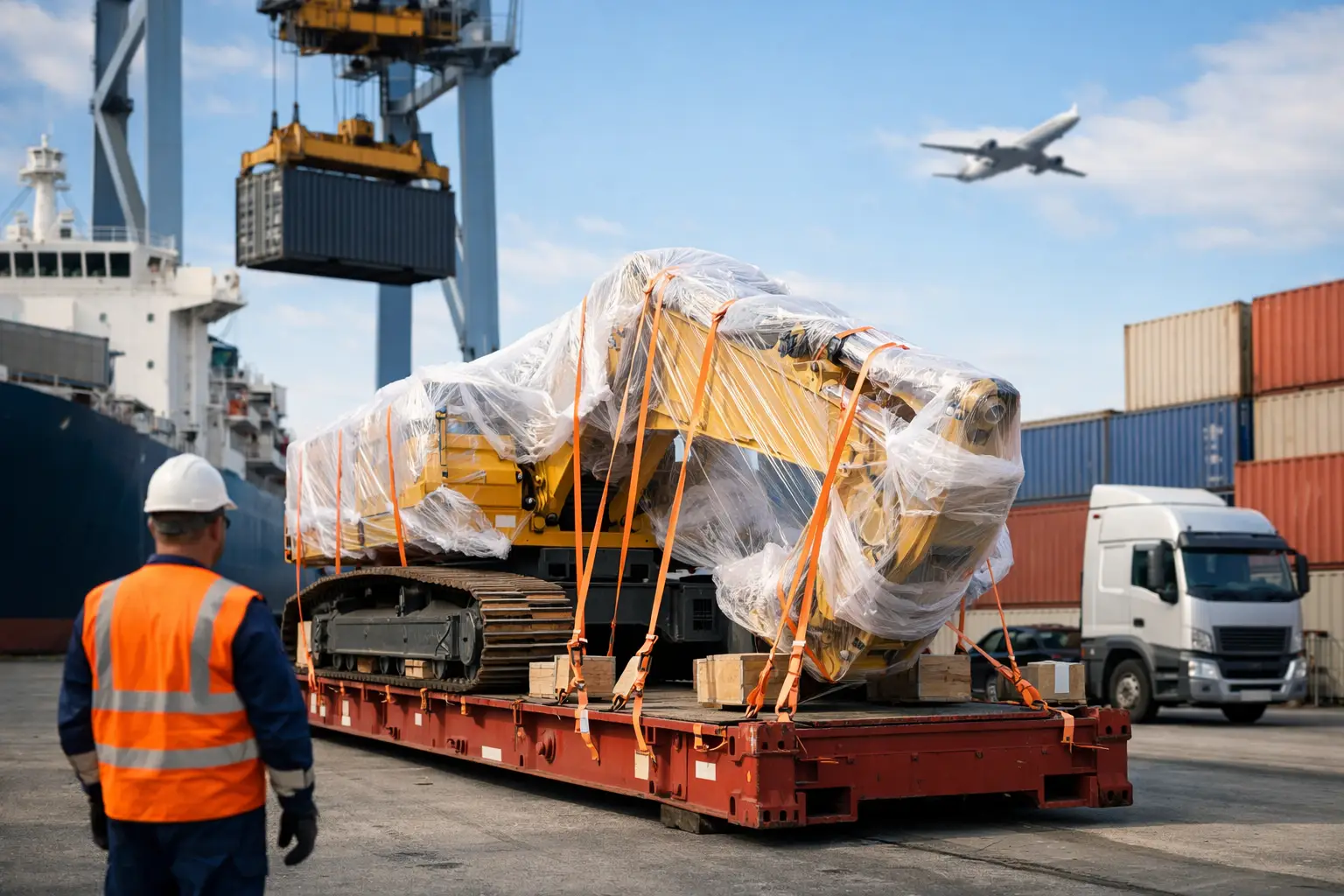
Shipping Industrial Machinery Safely Across Borders
Shipping industrial machinery safely requires the equipment, securement plan, permits, and cross-border coordination. Learn what to plan before pickup.

Top Final-Mile Delivery Challenges for Shippers
Top final-mile delivery challenges affect cost, capacity, and customer service. Learn ways shippers can plan, control, and improve delivery execution.

Freight Broker Versus Carrier for Shippers
Freight broker versus carrier: understand control, capacity, pricing, and service options to choose the right freight partner for each business shipment.
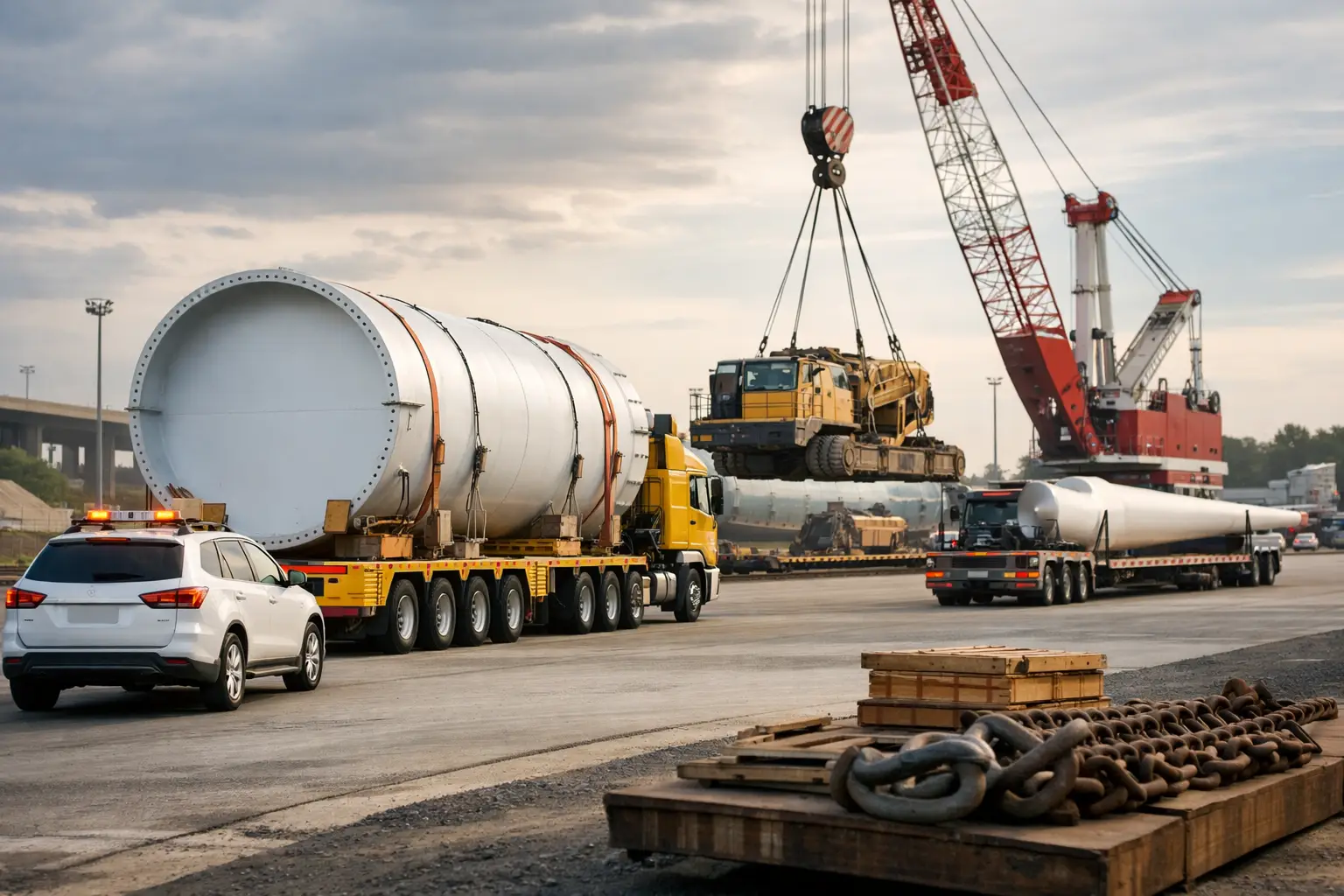
What Affects Oversized Freight Costs Most?
See what affects oversized freight costs: permits, route limits, equipment, escorts, and border planning that shape your quote and delivery schedules.

Truckload Shipping for Reliable Freight Movement
Truckload shipping gives growing shippers dedicated capacity, predictable handling, and direct freight control across U.S. and Canada lanes reliably.
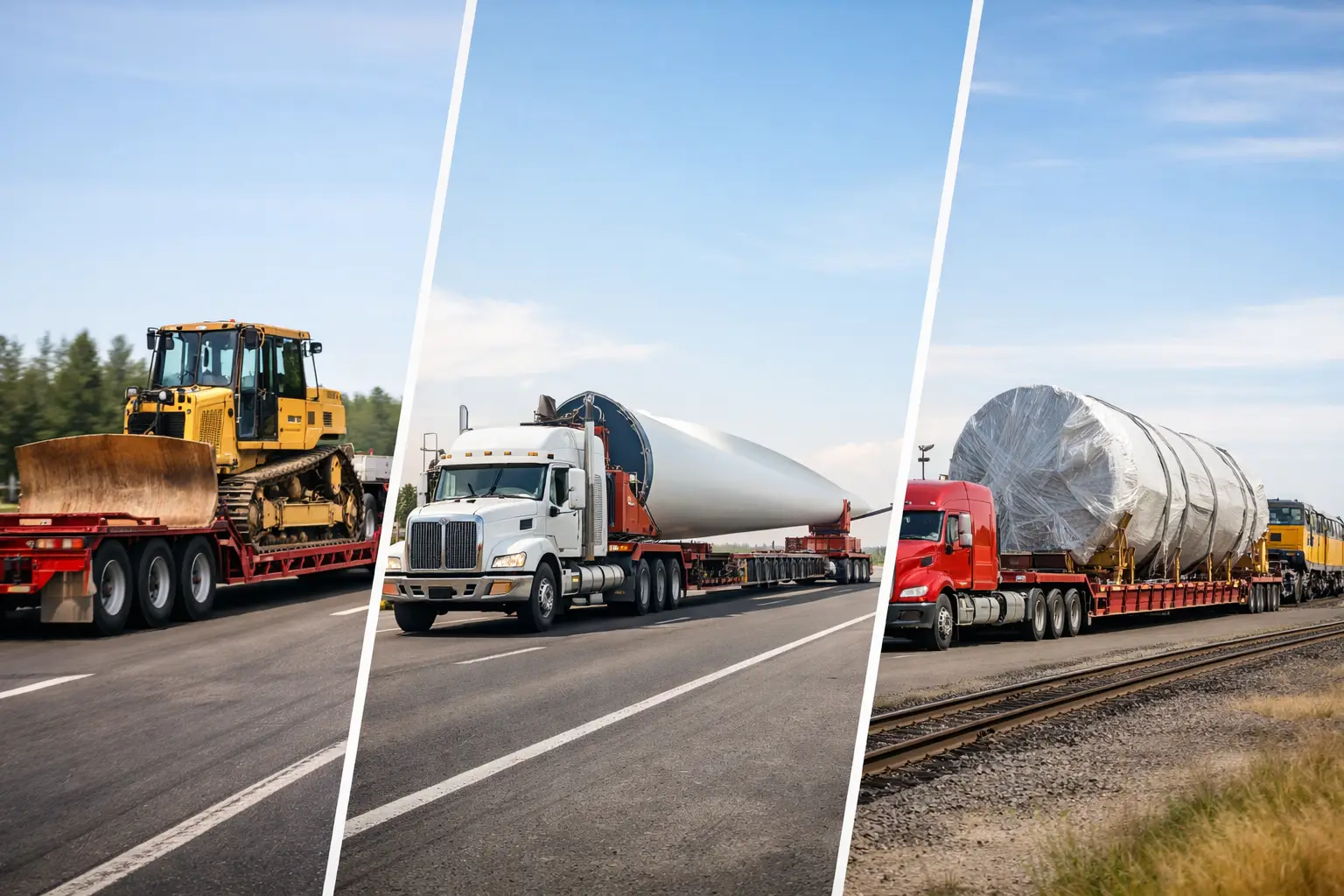
Best Equipment for Oversized Loads by Freight Type
Choose the best equipment for oversized loads based on dimensions, weight, loading method, route limits, permits, and cross-border delivery requirements.

Logistics Provider Evaluation That Protects Service
Use a disciplined logistics provider evaluation to compare capacity, service controls, cross-border knowledge, and cost before freight issues grow occur.

Freight Broker Comparison for Better Coverage
Use a freight broker comparison to assess capacity, cross-border execution, equipment, communication, and pricing before choosing the logistics partner.

Final-Mile Delivery Service Guide for Shippers
Use this final-mile delivery service guide to choose coverage, equipment, appointment controls, and proof of delivery for B2B freight across key lanes.
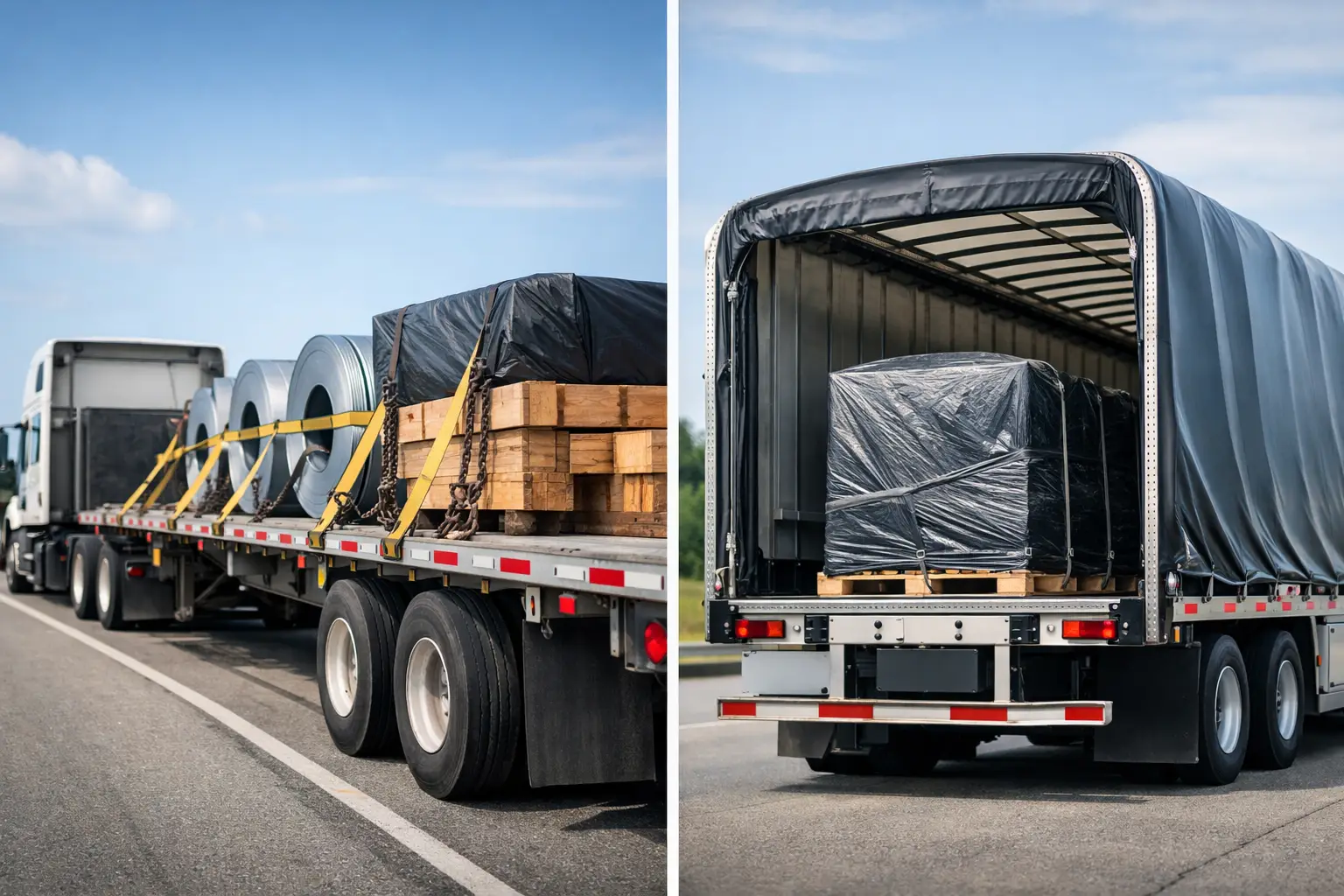
Flatbed vs Conestoga Shipping for Your Freight
Compare flatbed vs Conestoga shipping for freight that needs open-deck access, weather protection, fast loading, or flexible cross-border routing needs.

How to Book Final-Mile Delivery for Business
Learn how to book final-mile delivery for commercial freight, from shipment details and site access to timing, equipment, pricing, and proof of delivery.

How to Choose Flatbed Shipping for Your Freight
Learn how to choose flatbed shipping by matching freight dimensions, securement, equipment, permits, and carrier capability to every shipment reliably.

How to Improve Freight Visibility Across Every Load
Learn how to improve freight visibility with practical systems for milestones, carrier updates, exception management, and cross-border control at scale.

How to Prevent Cross-Border Customs Delays
Reduce cross-border customs delays with better documents, classification, broker coordination, and freight planning for U.S.-Canada commercial shipments.
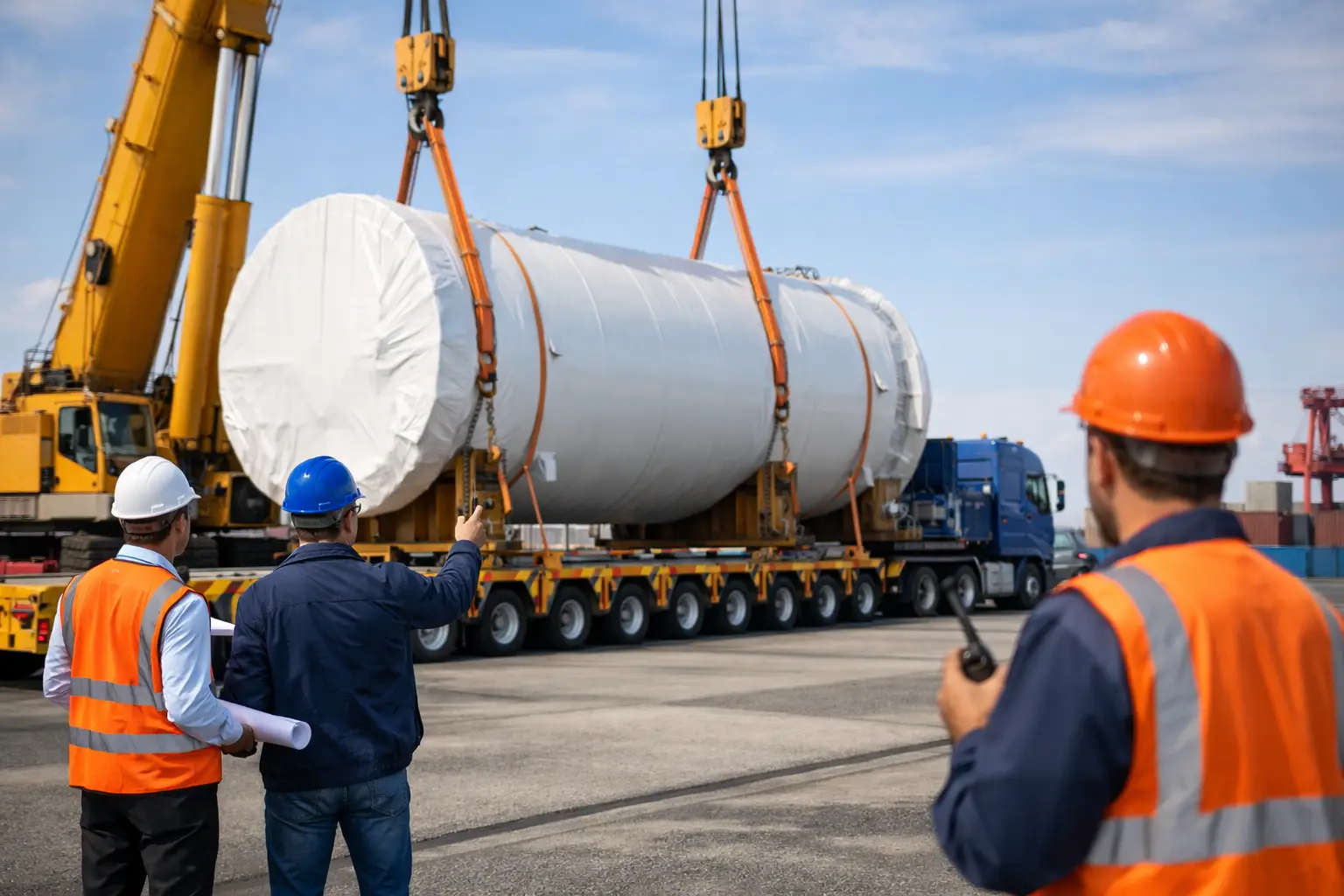
Oversized Shipment Planning Example for Shippers
Use this oversized shipment planning example to coordinate permits, equipment, routing, securement, and delivery timing for complex freight moves safely.
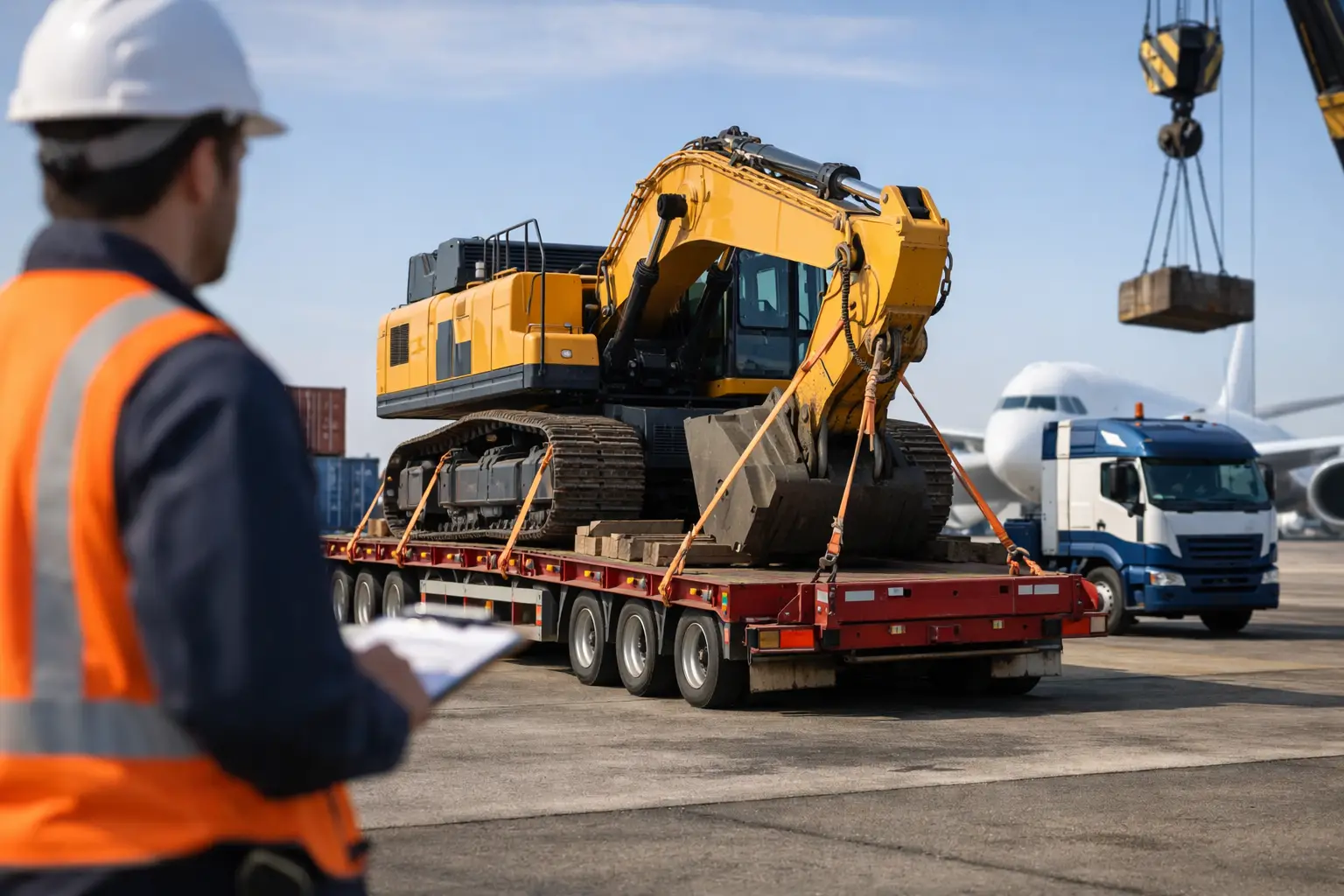
How to Ship Oversized Freight Without Delays
Learn how to ship oversized freight with the right permits, equipment, route planning, and cross-border coordination to protect delivery schedules.

How to Manage Cross-Border Freight Efficiently
Learn how to manage cross-border freight between the U.S. and Canada with clear planning, compliant documents, carrier coordination, and visibility daily.

Shipping Brokerage Services for Complex Freight
Shipping brokerage services help U.S. and Canadian businesses secure capacity, coordinate complex freight, and improve delivery performance across lanes.
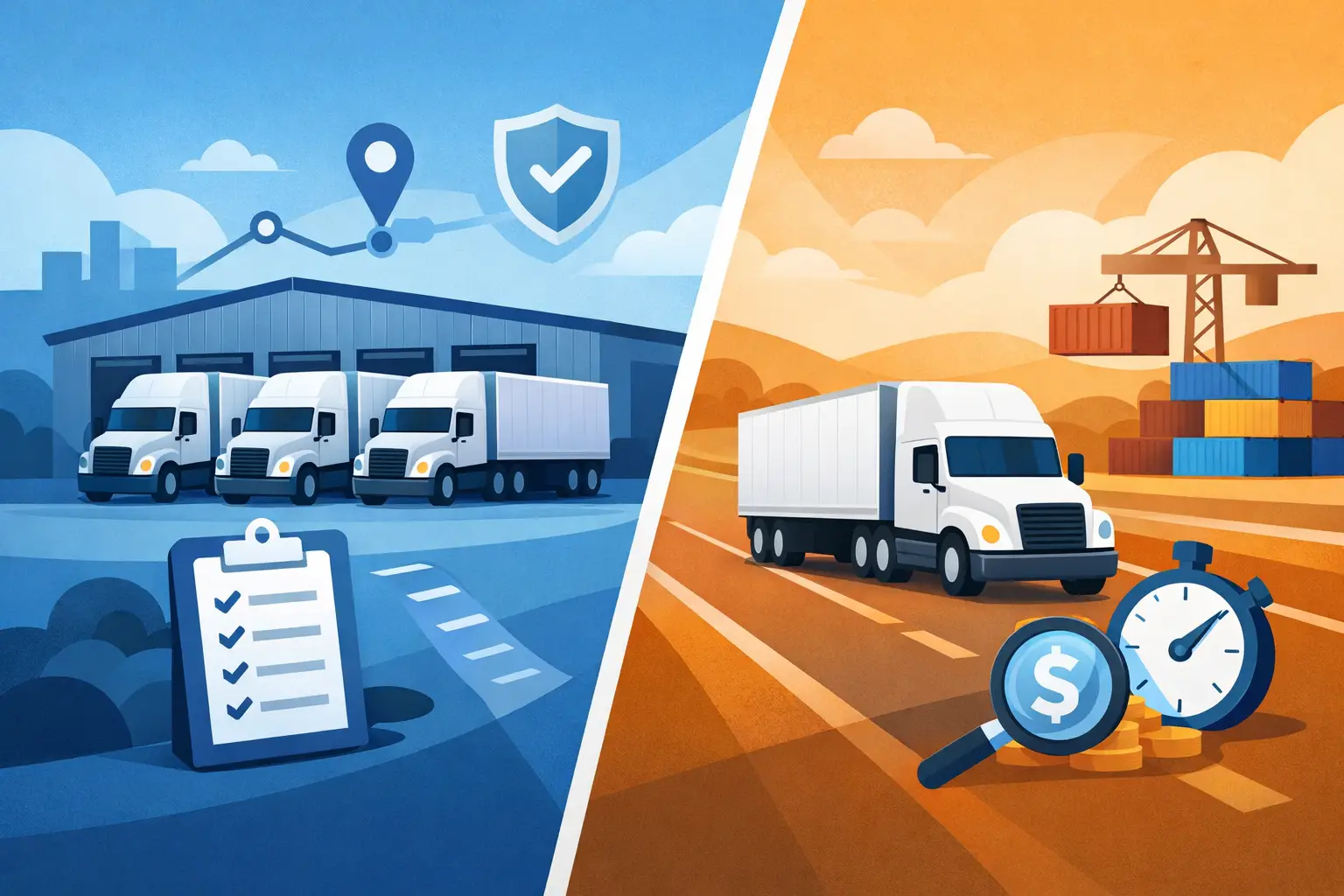
Dedicated Fleet vs Spot Freight: Which Fits?
Compare dedicated fleet vs spot freight for dependable capacity, cost control, and flexible coverage across U.S. and Canada freight lanes for shippers.

Oversized Freight Market Trends Shippers Must Track
Track oversized freight market trends affecting capacity, permits, pricing, and cross-border moves so your team can plan complex loads with confidence.
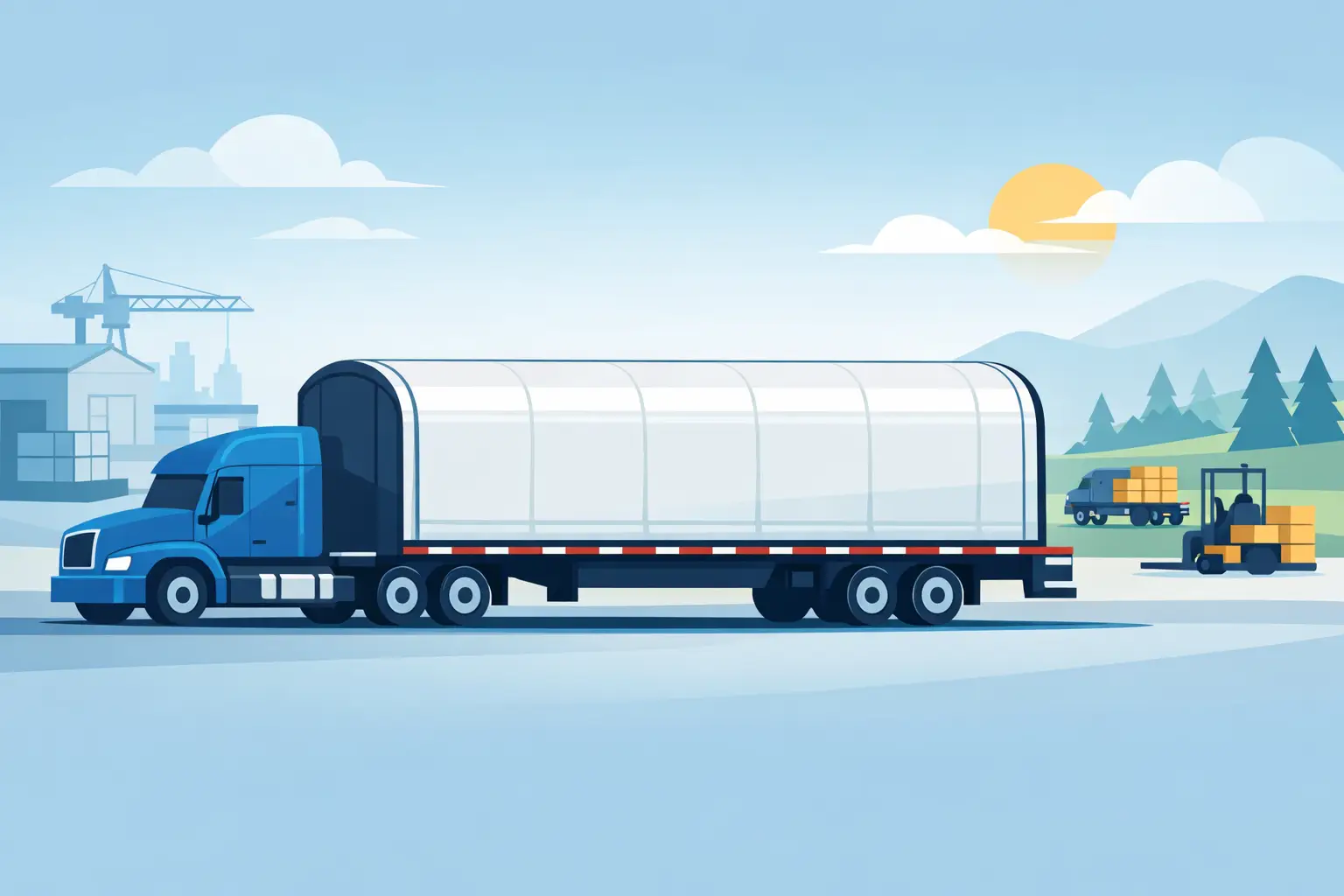
What Is a Conestoga Trailer? Uses and Benefits
What is a Conestoga trailer? Learn how its rolling tarp system protects freight, speeds loading, and supports daily flatbed shipments across North America.
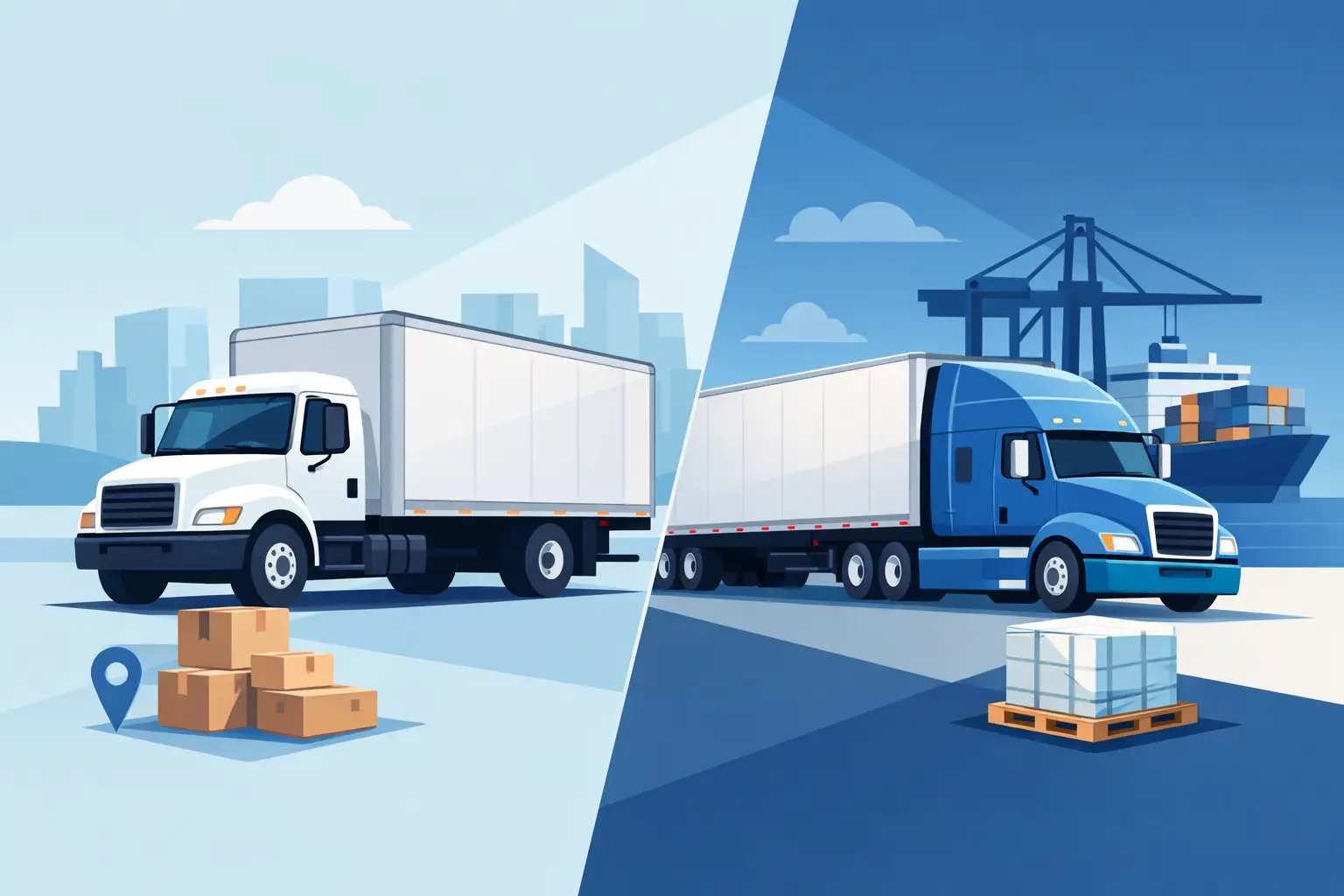
Straight Truck vs Trailer for Commercial Freight
Straight truck vs trailer decisions affect cost, access, capacity, and delivery performance. Choose equipment that fits every commercial freight move.
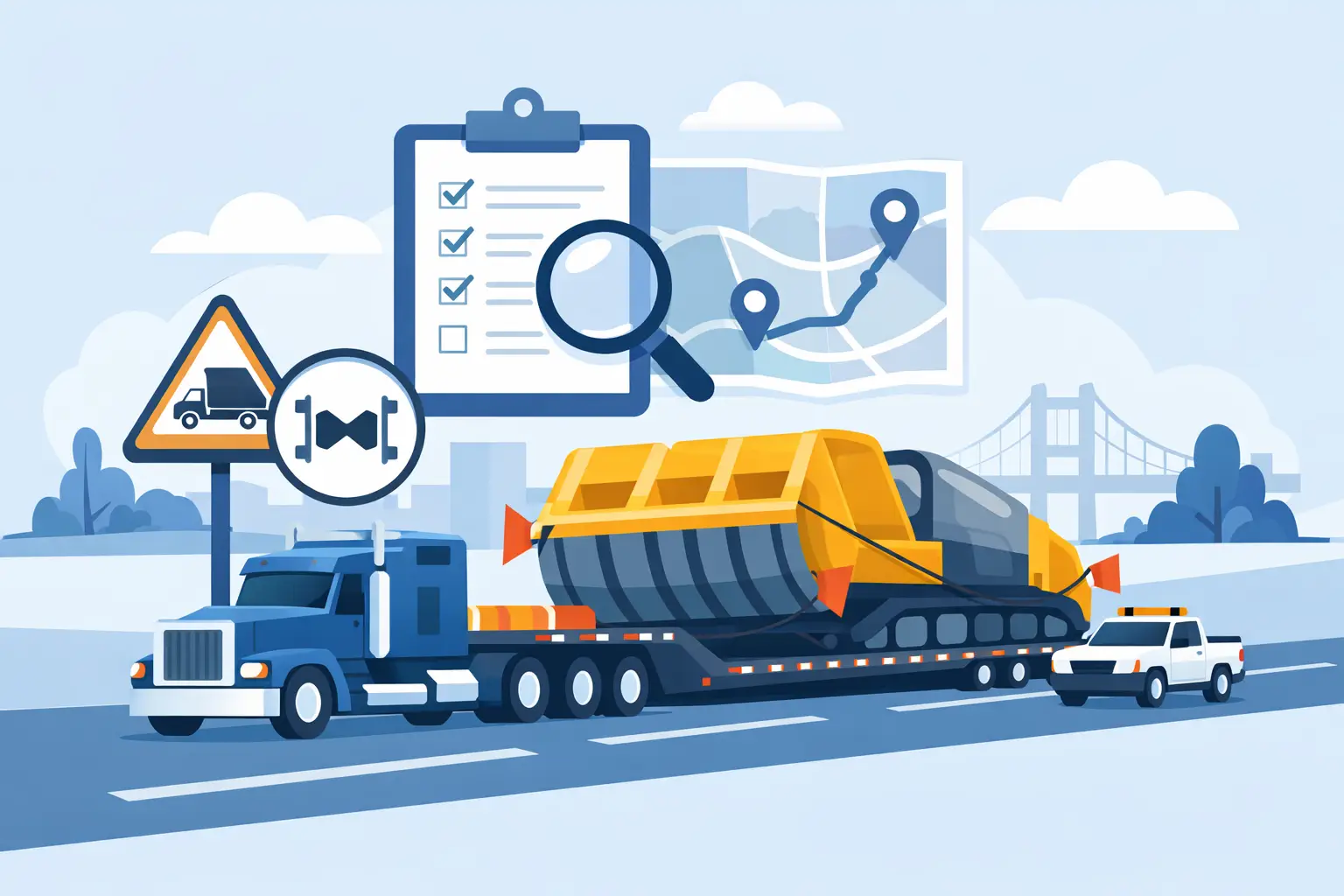
Oversized Load Compliance Guide for Shippers
Use this oversized load compliance guide to plan permits, routing, escorts, securement, and cross-border moves with fewer expensive delays for freight.
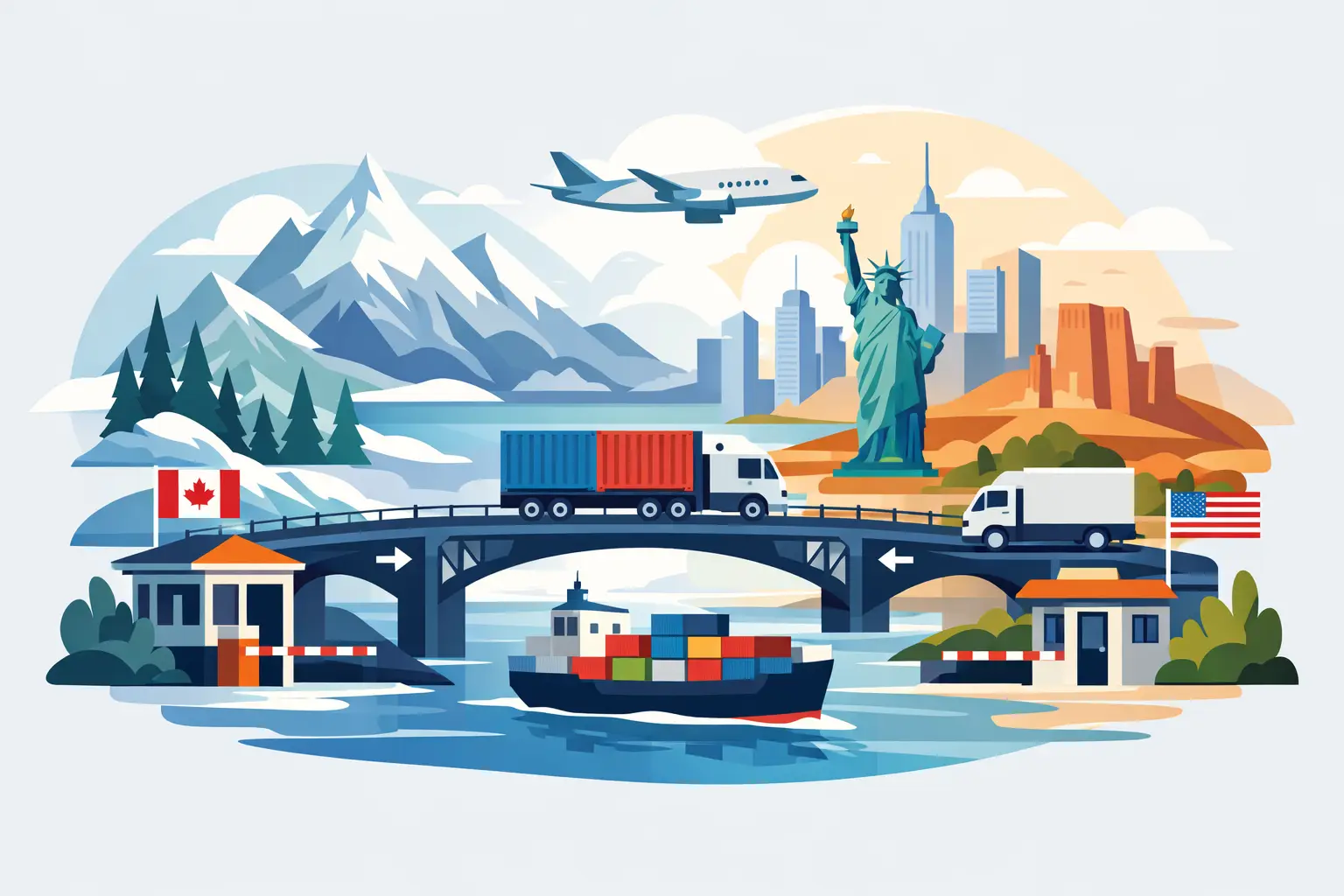
What Is Cross Border Logistics Canada USA?
What is cross border logistics Canada USA? Learn how freight moves through customs, capacity planning, and delivery coordination for reliable freight trade.

Cross-Border Shipping Documentation Guide
Use this cross-border shipping documentation guide to prepare accurate U.S.-Canada freight paperwork, reduce delays, and keep commercial loads moving.
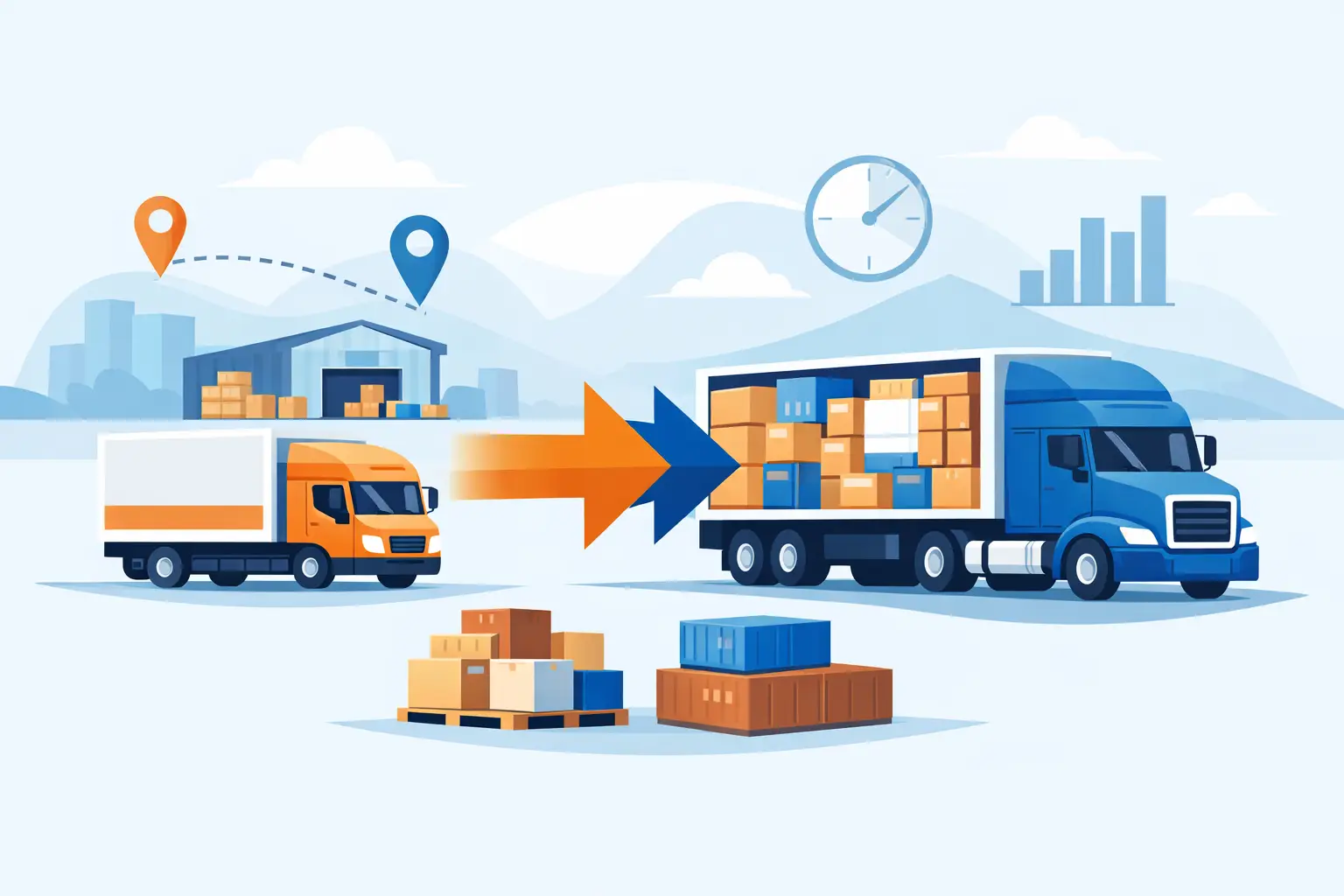
LTL and Consolidation for Truck Space and Cost
LTL and consolidation optimize truck space and shipment costs. See when each strategy supports reliable cross-border and domestic freight planning needs.

What Is Cross-Border Freight for US Shippers?
Learn what is cross-border freight, how Canada-US shipments move, and how businesses can control customs, capacity, timing, and delivery risk each day.

What Truck Brokerage Services Should Deliver
Truck brokerage services should do more than book a load. Learn what shippers should expect from capacity, visibility, pricing, and execution.
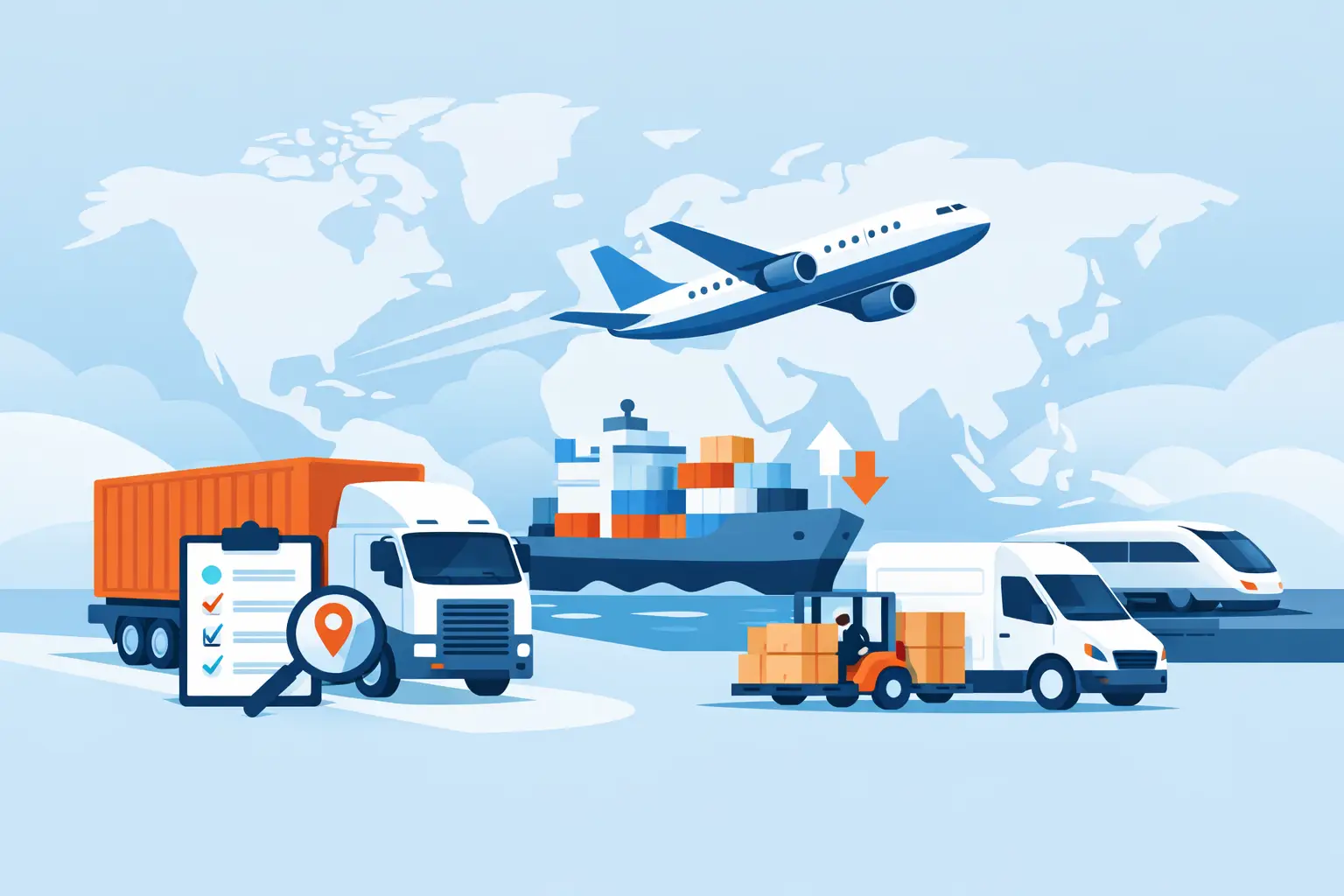
Transportation Brokerage Services That Deliver
Transportation brokerage services help shippers secure capacity, manage risk, and improve delivery performance across U.S. and Canada lanes.

Flatbed Conestoga Canada Shipping Guide
Flatbed Conestoga Canada shipping helps protect freight, speed loading, and support cross-border moves. Learn when this equipment is the right fit. www.midemidelogistics.com

Construction Equipment Shipping That Stays on Schedule
Construction equipment shipping requires the right trailer, permits, timing, and border planning to keep heavy freight moving safely and on time.

Fast Shipment Delivery at a Competitive Rate
Fast shipment delivery and competitive rate depend on mode selection, lane planning, and carrier access. Learn what drives both outcomes.

Oversized Freight Transport Done Right
Oversized freight transport requires planning, permits, routing, and the right equipment to keep complex shipments moving safely across the US and Canada.

Straight Truck Delivery for Time-Sensitive Freight
Straight truck delivery gives shippers fast, flexible capacity for regional and cross-border freight that needs secure handling and reliable timing.

What Asset-Based Logistics Means for Shippers
Learn how asset-based logistics improves control, capacity, visibility, and service for domestic and cross-border freight across North America.

Supply Chain Solutions That Keep Freight Moving
Supply chain solutions help shippers improve capacity, visibility, and delivery performance across US and Canadian freight networks.

Final Mile Delivery for B2B Freight
Final mile delivery affects cost, speed, and customer experience. Learn how B2B shippers improve routing, visibility, and delivery control.

Dedicated Transportation Solutions That Deliver
Dedicated transportation solutions give shippers consistent capacity, tighter delivery control, and stronger cross-border execution across key lanes.
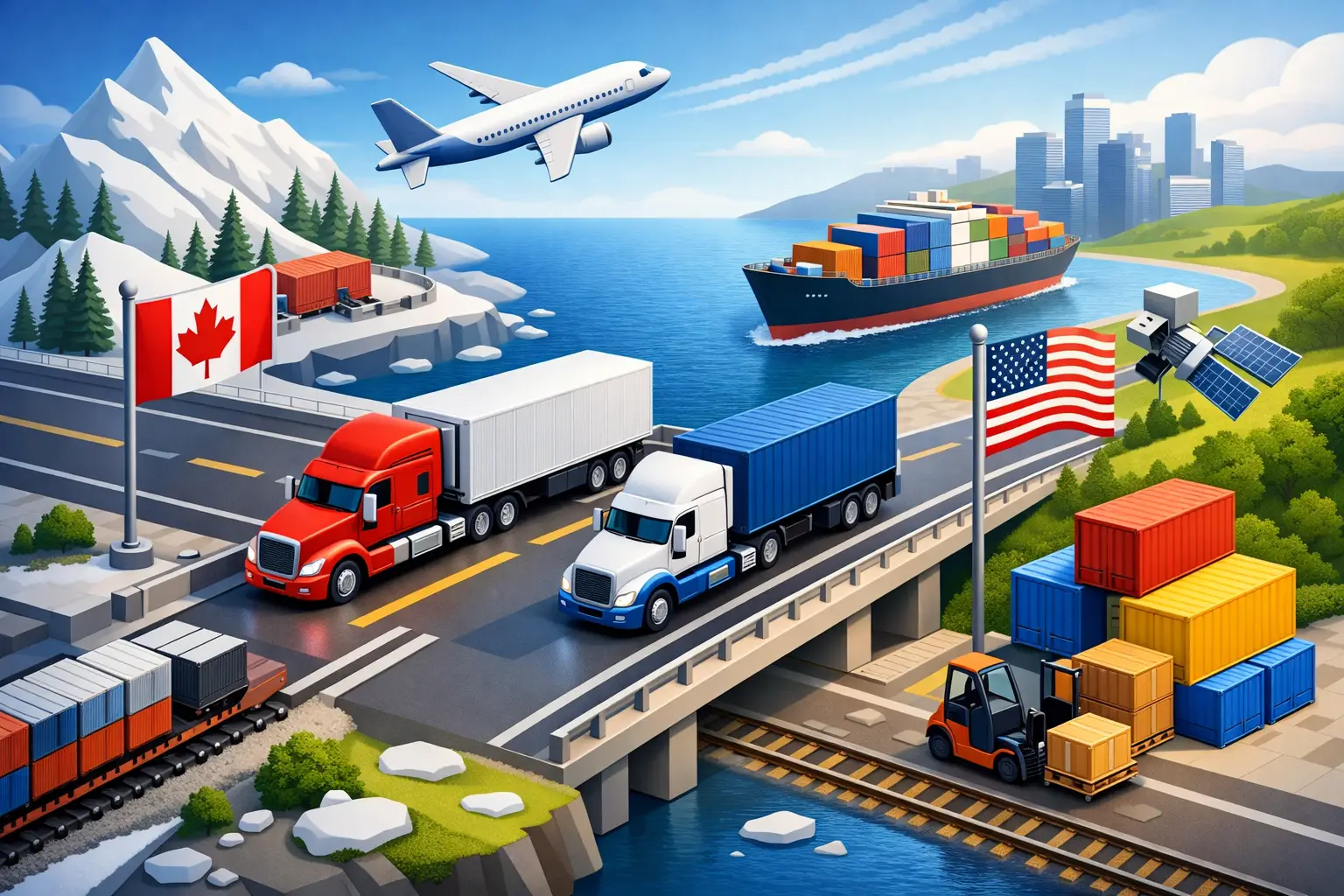
Cross Border Logistics Canada for Shippers
Cross border logistics Canada strategies for shippers that need reliable transit, customs coordination, capacity, visibility, and control.

Freight Brokerage Operations That Deliver
Freight brokerage operations keep freight moving with capacity, visibility, and control across domestic and cross-border lanes in the US and Canada.

Freight Brokerage Services Definition
Freight brokerage services definition explained for shippers, including broker roles, carrier coordination, pricing, compliance, and cross-border moves.

What Does a Freight Brokerage Do?
Learn what does a freight brokerage do, how brokers manage capacity, pricing, tracking, and cross-border freight for more reliable shipping.