
A missed tarp, a weather delay, or a damaged load at the border can turn a routine shipment into an expensive problem. That is why many shippers evaluating flatbed conestoga canada capacity are not just looking for a trailer - they are looking for better control over freight protection, loading efficiency, and delivery performance across Canadian and cross-border lanes.
For manufacturers, distributors, and industrial shippers, Conestoga equipment fills a very specific need. It offers the deck access of a flatbed with the added protection of a rolling canopy system. That combination matters when freight cannot be fully enclosed in a dry van, but still needs protection from rain, road debris, or repeated tarp handling. In Canada, where freight often moves through long distances and variable weather conditions, that difference is operational, not cosmetic.
What flatbed Conestoga service means in Canada
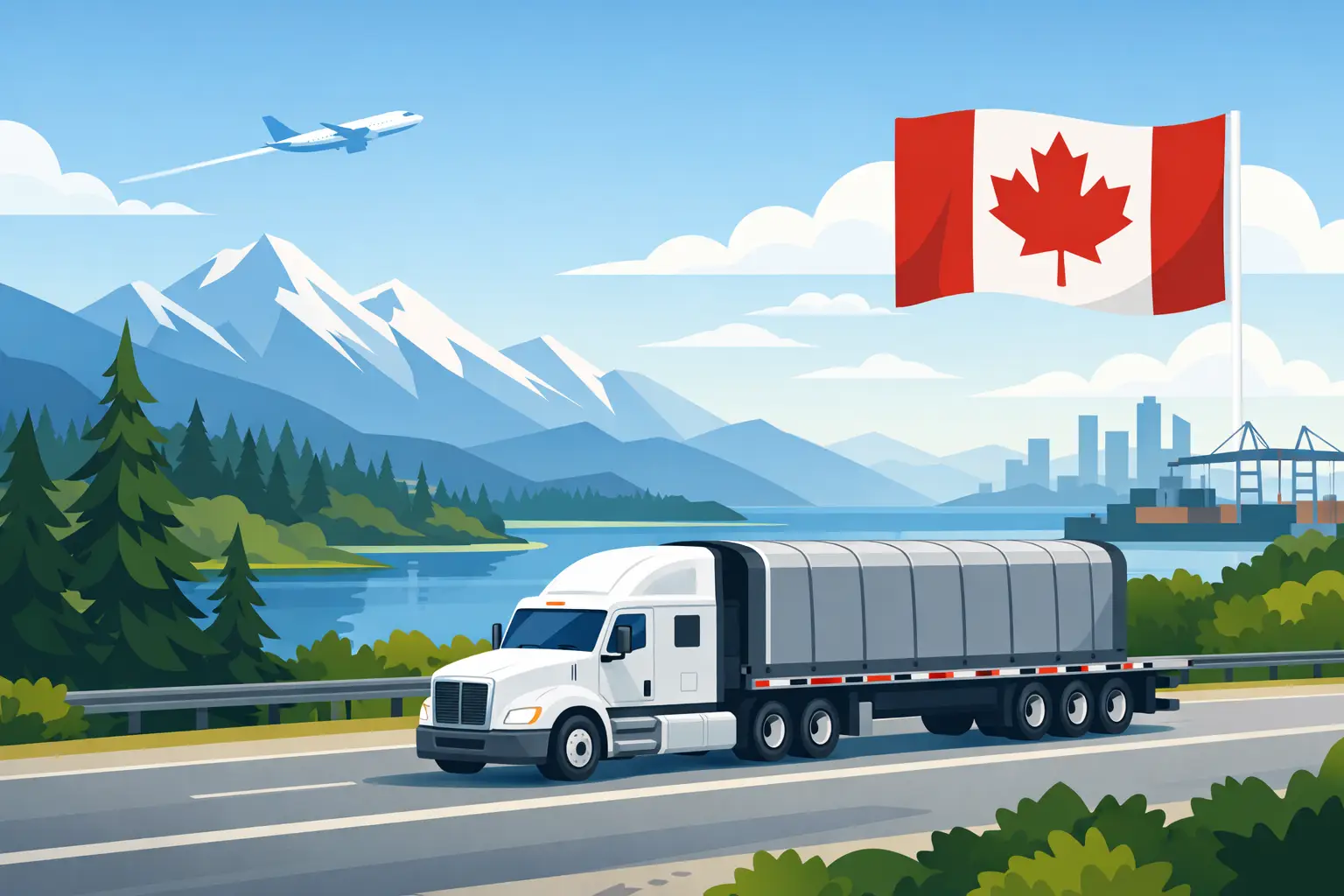
A Conestoga trailer is built on a flatbed platform with a retractable frame and curtain system that covers the freight. The cover rolls open for loading and unloading, then closes to protect the shipment in transit. For shippers, this creates a middle ground between standard flatbed and enclosed trailer options.
In practical terms, flatbed Conestoga service in Canada is often used when freight needs side, rear, or crane loading but should not be exposed during transport. Common examples include palletized industrial products, packaged building materials, metal components, machinery, and other high-value or weather-sensitive freight that does not require a sealed van.
The value is not just in coverage. It is also in handling. Traditional flatbed shipments often require tarping, and tarping takes time, labor, and driver effort. It also introduces inconsistency. If freight has awkward dimensions or edges, tarp wear and load securement can become a real concern. A Conestoga reduces that friction while preserving the accessibility that flatbed freight often requires.
When a flatbed Conestoga Canada move makes sense
Not every open-deck shipment belongs on a Conestoga. The right equipment depends on freight dimensions, loading requirements, protection needs, and lane availability. Still, there are several situations where it is usually the better choice.
If the shipment must be loaded from the side or top, a dry van may not work. If the freight cannot be exposed to snow, rain, or road spray, a standard flatbed may create unnecessary risk. That is where Conestoga capacity stands out. It supports open-deck loading methods while reducing weather exposure and the need for manual tarping.
This is especially relevant across Canada, where climate and distance can work against an unprotected load. Freight moving from Ontario to Alberta, Quebec to the US Midwest, or British Columbia into central Canada may encounter multiple weather conditions in one trip. A Conestoga helps maintain consistency without forcing the shipment into an enclosed mode that may not fit the freight profile.
It also makes sense for shippers focused on reducing damage claims. Packaged freight that arrives wet, dirty, or shifted can create downstream receiving issues even when the product itself is not technically destroyed. In many supply chains, a cleaner, more controlled delivery matters because the receiving team has limited time, tight appointment windows, and little tolerance for freight that needs to be sorted out on the dock.
The trade-offs compared with standard flatbed
A Conestoga is not automatically the best answer because it adds protection. There are trade-offs, and experienced shippers should evaluate them clearly.
First, equipment availability can be tighter than standard flatbed capacity, especially on specialized lanes or during seasonal surges. If timing is urgent and the route is more remote, a standard flatbed may be easier to source. Second, internal trailer dimensions and canopy clearance can affect what can be loaded. Certain over-height or oddly shaped freight may still be better suited to a traditional flatbed with custom tarping and securement.
Cost is another consideration. Conestoga service often carries a premium over standard flatbed because of equipment specialization and the value of reduced handling. For many shippers, that premium is justified by lower risk and faster loading. But it depends on the commodity, margin sensitivity, and claim exposure. If the freight is durable, low-risk, and easy to tarp, standard flatbed may still be the more efficient option.
Cross-border planning matters as much as equipment
For businesses shipping between Canada and the United States, the trailer type is only one part of execution. Cross-border flatbed and Conestoga freight requires careful planning around documentation, commodity classification, pickup timing, customs coordination, and receiver readiness.
With open-deck and specialized freight, border delays can become more disruptive because appointments, crane unloads, or site scheduling may already be fixed. If a shipment misses its delivery window, the effects can spread quickly through a project site, production schedule, or distribution plan. That is why cross-border coordination matters as much as securing the right trailer.
A reliable provider should understand lane requirements, transit expectations, and shipment-specific handling details before dispatch. That includes verifying dimensions, securement needs, loading method, border documents, and delivery constraints upfront. On specialized moves, small gaps in planning tend to surface late and cost more.
Freight types commonly moved on Conestoga trailers
Across Canadian and US lanes, Conestoga trailers are frequently used for freight that benefits from open access and covered transit. Industrial materials, crated machinery, steel products that need cleaner transport conditions, finished goods on pallets, and some construction-related shipments are all common fits.
The deciding factor is usually not just product category. It is the combination of how the freight is loaded, how sensitive it is to weather or debris, and how much risk the shipper wants to accept in transit. Two loads of the same commodity may require different equipment based on packaging, season, destination, or customer requirements.
That is why equipment selection should start with the shipment itself, not a generic mode preference. A practical brokerage or logistics partner will ask how the freight is loaded, whether top loading is required, whether tarping is acceptable, and what kind of delivery environment the load is entering. Those details determine whether Conestoga capacity improves the move or simply adds cost.
What shippers should confirm before booking
Before booking a flatbed Conestoga Canada shipment, it helps to confirm a few operational points early. Freight dimensions and weight should be exact, not estimated. Loading method should be clear, including whether a forklift, crane, or dock is involved. The shipper should also identify whether the freight can be stacked, whether there are sharp edges or securement concerns, and whether the receiver has any appointment or unloading restrictions.
These details influence trailer selection, transit planning, and rate accuracy. They also reduce rework. A shipment booked too loosely may need to be re-covered, re-rated, or re-dispatched if the actual freight does not match the original tender. On specialized equipment, that kind of mismatch can cost a full day.
It is also worth discussing seasonal realities. Winter shipping across Canada may strengthen the case for Conestoga protection even on commodities that move by standard flatbed during milder months. Spring and fall can create similar issues, especially for freight with cardboard, wrapped pallets, coatings, or finishes that do not tolerate moisture well.
Why execution quality determines the result
Conestoga equipment can solve a real freight problem, but only if the move is managed correctly from pickup through delivery. Capacity matching, securement planning, communication, and cross-border oversight all affect the outcome. The trailer itself does not eliminate service risk.
That is where an operations-focused logistics partner adds value. Shippers moving specialized or cross-border freight usually benefit from a provider that can coordinate equipment access, support shipment planning, and respond quickly when schedules shift. Companies such as Midemide Logistics build around that need by combining brokerage reach with practical freight execution across standard and specialized modes.
For businesses shipping industrial, commercial, or project-related freight, the question is not whether Conestoga trailers are better than flatbeds in every case. The question is whether this load, on this lane, at this time, needs the added protection and handling efficiency that Conestoga service provides. When the answer is yes, choosing the right setup early can prevent delays, reduce claims, and make the rest of the move easier to manage.
If your freight needs open-deck access without open exposure, that is usually the point where a closer look at Conestoga capacity starts paying off.