
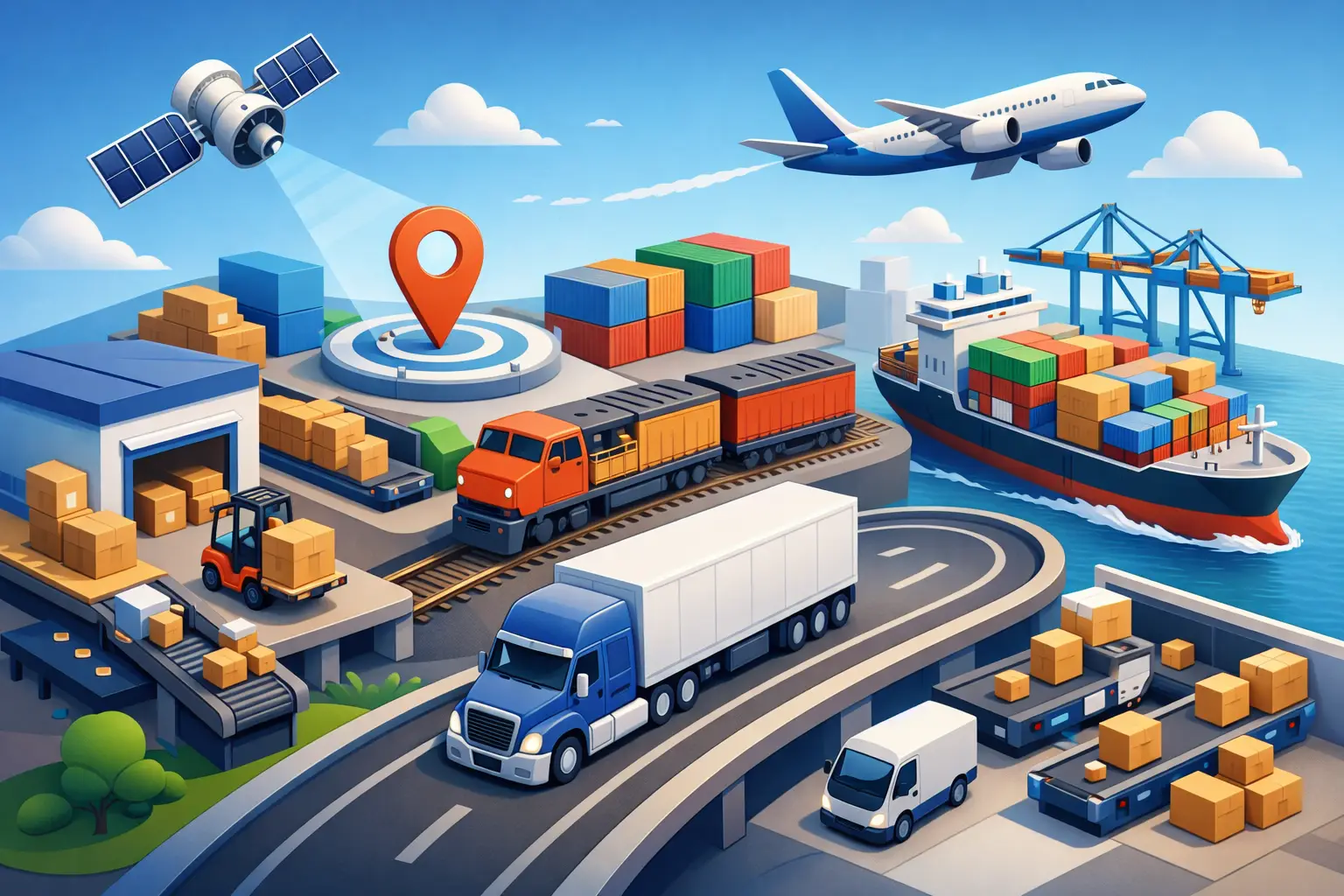
A missed pickup rarely stays a pickup problem for long. It turns into production delays, customer complaints, extra storage, rushed rebooking, and margin loss. That is why supply chain solutions matter most when freight is moving across multiple lanes, facilities, and delivery requirements at once.
For shippers in the U.S. and Canada, the right approach is not just finding a truck. It is building a transportation model that can absorb disruption, support different shipment types, and keep freight moving without adding unnecessary coordination work to your team. The value of effective supply chain solutions is operational control - better planning, better execution, and fewer costly surprises.
What supply chain solutions actually mean in freight
In practical terms, supply chain solutions are the services, systems, and transportation strategies used to move product from origin to destination with fewer delays and less friction. That can include brokerage support, dedicated transportation, final-mile delivery, specialized equipment, cross-border coordination, and shipment planning across recurring and one-off moves.
The term is broad, and that matters. A manufacturer moving palletized freight to distribution centers does not need the same setup as a building products supplier shipping oversized freight to jobsites. A retailer with appointment-based final-mile requirements faces different constraints than an industrial shipper moving straight truck freight on short timelines. The solution depends on freight profile, service expectations, and the amount of variability in the network.
This is where many transportation programs break down. A shipper may have access to capacity, but not the right capacity. Or they may have a carrier base for standard loads, but no clear path for flatbed, Conestoga, expedited, or cross-border shipments when conditions change. Supply chain support needs to match the real operating environment, not an ideal one.
Why supply chain solutions matter more in cross-border freight
Cross-border shipping adds pressure at every stage of execution. Transit planning, document accuracy, customs timing, equipment availability, and consignee scheduling all have to align. If one piece slips, the shipment can stall even when linehaul capacity is available.
That is why supply chain solutions for U.S.-Canada freight need more than rate coverage. They need process discipline. Shippers benefit from a partner that understands lane requirements, equipment options, border timing, and how to adjust when delivery windows shift or freight characteristics change.
There is also a control issue. When domestic freight, specialized freight, and cross-border freight are managed through separate providers, communication gaps tend to grow. One provider may not see the full picture, and the shipper ends up coordinating exceptions manually. A more integrated model reduces handoffs and improves response time when a lane tightens or a customer changes requirements with little notice.
The building blocks of effective supply chain solutions
A workable transportation strategy starts with capacity, but it should not stop there. Reliable supply chain solutions usually combine several service layers depending on the shipper’s network.
Brokerage remains essential because it provides flexible access to capacity across changing lanes and shipment volumes. For many businesses, that flexibility is what keeps freight moving during seasonal spikes, route changes, or short-notice orders. But brokerage alone is not always enough for high-frequency or service-sensitive freight.
Dedicated transportation becomes valuable when consistency matters more than transactional coverage. If a shipper is moving repeat freight on fixed schedules, a dedicated model can support stronger service performance and tighter planning. It is not the right answer for every network, especially if volume fluctuates heavily, but it can reduce variability where routing discipline is critical.
Final-mile delivery is another area where execution quality has an outsized effect. The linehaul move may be straightforward, but delivery appointments, site constraints, handling requirements, and customer communication often create the real challenge. Shippers with store deliveries, project freight, or direct-to-site shipments need a partner that can manage the last stage with the same consistency as the first.
Specialized equipment also plays a central role. Flatbed, Conestoga, straight truck, and oversized freight service are not interchangeable with standard dry van moves. The wrong equipment plan creates delays before the shipment even starts. Strong supply chain support includes the ability to match freight to equipment quickly and accurately, especially when dimensions, protection requirements, or unloading conditions are not standard.
What shippers should expect from a logistics partner
A logistics provider should make transportation easier to manage, not more difficult to track. That sounds obvious, but many shipper-provider relationships still rely on reactive communication, fragmented updates, and limited flexibility when freight moves outside the standard pattern.
A stronger model starts with execution visibility. Shippers need to know where freight stands, what risks are developing, and what the next step is if a delivery window changes. Visibility is not just a tracking function. It is the ability to act early enough to protect service.
Responsiveness matters just as much. When a plant changes ship time, a customer adds appointment conditions, or a load needs different equipment, speed of response becomes part of the service itself. The provider should be able to adjust without forcing the shipper to restart the process from scratch.
Modal flexibility is another indicator of real capability. Businesses rarely move one shipment type forever. They may need dry van this week, straight truck tomorrow, and flatbed or oversized support next month. A provider that can support multiple freight requirements under one operating relationship reduces administrative load and helps maintain continuity across changing needs.
For many shippers, the best fit is a partner with both brokerage strength and asset-based capability. That combination can improve service consistency because it gives the provider more direct control while still preserving network flexibility. It does not eliminate every disruption, but it can improve recovery options when freight plans change quickly.
Where supply chain solutions create measurable value
The most obvious benefit is delivery performance, but the impact usually reaches further into the operation. Better transportation planning reduces expedites, lowers dwell-related friction, and helps facilities schedule labor more effectively. It also gives procurement and operations teams a clearer view of where freight costs are being driven by avoidable issues instead of actual market conditions.
There is also value in simplification. Many businesses manage a mix of recurring routes, special projects, customer-specific delivery standards, and occasional urgent moves. Handling each one through separate vendors can create hidden inefficiencies even if rates look acceptable on paper. Consolidating freight management with a capable logistics partner often improves communication and shortens decision cycles.
That said, there is always a trade-off. The lowest rate is not always the lowest landed cost, especially when service failures trigger chargebacks, production interruptions, or customer dissatisfaction. On the other hand, not every shipment requires a premium service model. The right solution depends on the cost of failure, the complexity of the lane, and how much variability the business can tolerate.
Choosing supply chain solutions that fit your operation
The right starting point is a clear look at freight reality, not a generic service menu. Review shipment frequency, equipment needs, border activity, delivery constraints, and the percentage of freight that falls outside normal parameters. A shipper moving mostly standard loads with occasional surges needs a different plan than one managing time-sensitive final-mile and specialized freight every week.
It also helps to identify where internal teams are losing time. In some operations, the problem is limited carrier access. In others, it is exception management, poor visibility, or too many providers handling disconnected portions of the network. Once that pressure point is clear, the transportation strategy becomes easier to shape.
The best supply chain solutions are usually the ones built around operational fit. They support day-to-day freight execution, account for specialized requirements, and give shippers room to adjust as demand, lanes, or customer expectations change. That is especially important in U.S.-Canada freight, where service consistency often depends on planning discipline as much as truck availability.
For businesses that need standard truckload coverage, final-mile support, dedicated transportation, or specialized equipment under one umbrella, a provider like Midemide Logistics can reduce coordination gaps and keep freight plans aligned across the broader network.
Freight rarely gets simpler on its own. The companies that perform best are usually the ones that put the right structure around it early, so when the shipment changes, the operation does not come apart with it.