
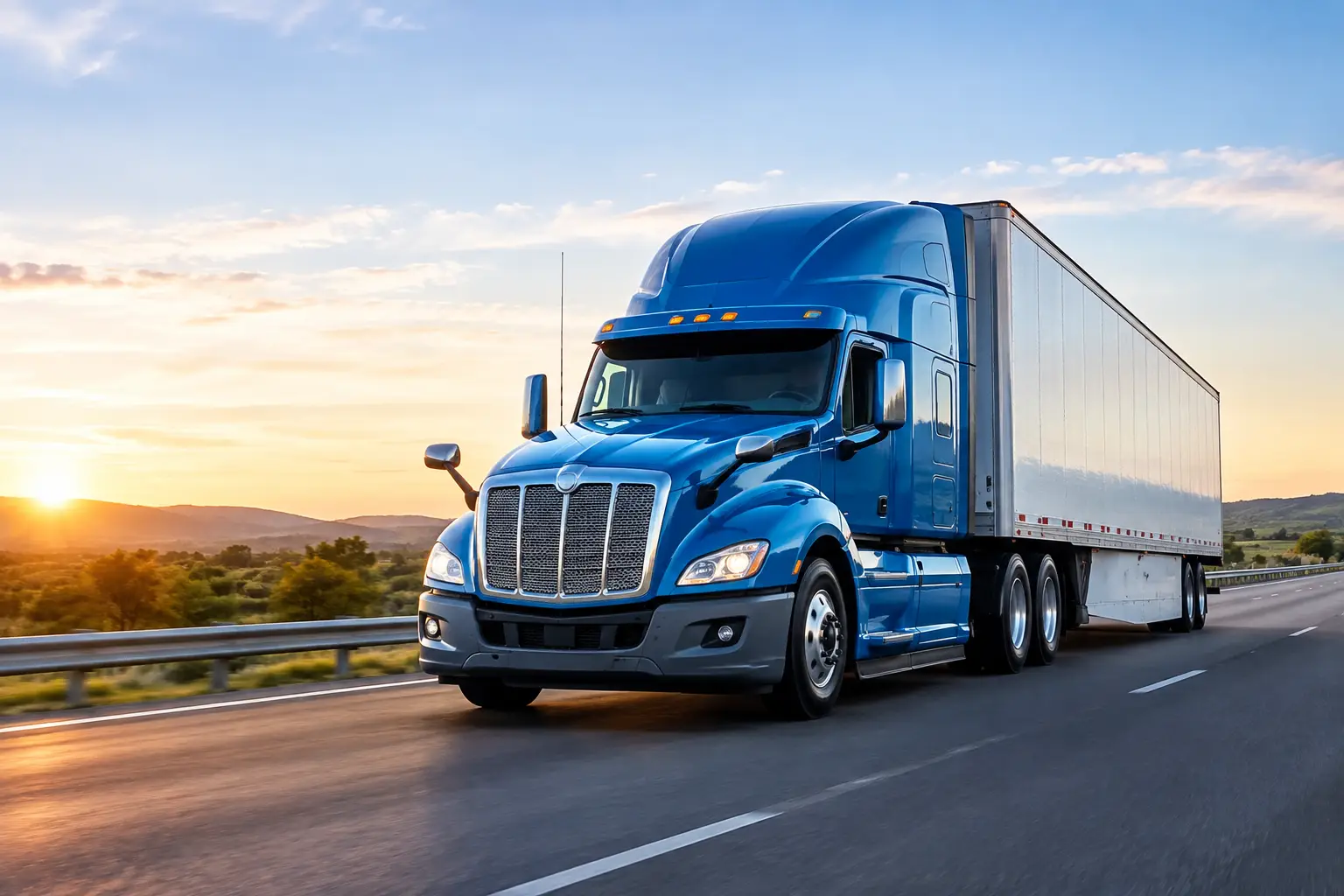
A production line is waiting on a scheduled delivery. A retail location has a narrow receiving window. A cross-border shipment must clear documentation and arrive without disrupting the next leg of the supply chain. In situations like these, the question is not simply how to find a truck. It is why use asset-based carriers when freight performance has a direct effect on operations, inventory, and customer commitments.
Asset-based carriers operate equipment they own or control directly, along with the drivers, dispatch processes, and operating standards that support it. For shippers, that model can create greater consistency than relying entirely on spot-market capacity or a changing mix of third-party providers. It is particularly valuable for recurring lanes, time-sensitive freight, dedicated programs, and shipments that require specific equipment or handling.
That does not mean asset-based transportation is automatically the best answer for every load. Freight networks need flexibility, and brokerage capacity remains essential for broad geographic coverage and variable demand. The strongest transportation strategy often combines both models based on the shipment, lane, service requirement, and business risk.
Why Use Asset-Based Carriers for Critical Freight?
The primary reason is operational control. When a carrier has direct access to its equipment and drivers, it can plan capacity, assign equipment, manage dispatch, and respond to service issues within a more defined operating structure. Shippers have fewer handoffs between the company arranging the move and the company physically executing it.
For freight that moves on a consistent schedule, this can improve predictability. A manufacturer shipping weekly to the same distribution center, for example, benefits when the transportation provider understands the pickup process, dock requirements, freight characteristics, appointment procedures, and delivery expectations. That familiarity reduces preventable delays.
Asset-based capacity also gives shippers a clearer escalation path when conditions change. If a pickup runs late, a receiver changes an appointment, or weather affects a planned route, the carrier can work through its own dispatch and equipment network instead of first locating an unrelated provider. The response still depends on available capacity and lane conditions, but the communication chain is usually shorter.
More Consistent Service on Repeat Lanes
Repeat freight is where an asset-based model often delivers its greatest value. Dedicated transportation, scheduled routes, and contracted lanes depend on the same fundamentals every day: equipment availability, driver reliability, accurate timing, and clear communication.
A consistent carrier team learns the details that are rarely visible on a rate sheet. They know whether a facility requires a particular check-in procedure, whether a shipper loads from the side or rear, whether freight needs securement beyond a standard dry van setup, and when congestion typically affects the route. This operating knowledge helps reduce friction at both ends of the move.
For shippers managing inventory replenishment, plant transfers, or regular customer deliveries, consistency can matter more than securing the lowest possible rate on an individual shipment. A late truck may lead to labor downtime, missed appointments, expedited replacement freight, or strained customer relationships. The transportation cost is only one part of the total cost of disruption.
Dedicated Equipment Supports Planning
Dedicated transportation provides an even higher level of control. Equipment and drivers can be assigned around a shipper's operating schedule rather than sourced load by load. This approach can work well for high-volume freight, route-based distribution, recurring final-mile delivery, and time-defined supply chain programs.
The trade-off is commitment. Dedicated capacity typically requires predictable volume and a clear understanding of equipment utilization. If freight volume changes sharply from week to week, a fully dedicated model may not be the most efficient fit. A blended plan that uses dedicated assets for core volume and flexible brokerage capacity for overflow can protect service without overcommitting resources.
Equipment Access Matters for Specialized Freight
Not every shipment can move in a standard dry van. Flatbed freight, Conestoga loads, straight truck delivery, oversized equipment, and freight with specialized securement requirements need the right trailer and the right operating experience.
Using an asset-based carrier can improve confidence that appropriate equipment is available and that the people handling the move understand the job. A Conestoga shipment, for instance, requires more than access to the trailer. Loading conditions, cargo protection, securement, dimensions, and delivery-site access must all be planned correctly. The same is true for flatbed freight serving construction, industrial, and manufacturing locations.
For final-mile commercial deliveries, direct equipment control can be equally important. A straight truck may be needed because of urban access restrictions, receiver preferences, dock limitations, or liftgate requirements. The delivery team needs accurate instructions before dispatch, not after the truck is already on route.
Asset-based operations do not remove the need for careful shipment planning. They give the transportation provider more ability to match the right equipment and operating process to the freight from the start.
Better Visibility Starts With Clear Ownership
Visibility is often discussed as a tracking feature, but it begins with accountability. Shippers need to know who is managing the shipment, who has the equipment, what the current status is, and what actions are being taken if a delivery is at risk.
When transportation execution is fragmented across multiple parties, status updates can take longer to verify. With asset-based capacity, dispatch has a more direct connection to the truck and driver. That can support faster updates around pickup confirmation, in-transit status, arrival timing, and exceptions.
This matters on cross-border freight between the United States and Canada. Border procedures, customs documentation, carrier details, delivery appointments, and onward transportation all need to align. A delay at the border can affect the entire delivery plan. Shippers benefit from working with a logistics partner that can coordinate the shipment end to end while maintaining direct operational oversight where it adds the most value.
When Brokerage Capacity Is the Better Fit
Asset-based carriers offer meaningful advantages, but they have defined networks, equipment fleets, and capacity limits. A shipper moving freight into a wide range of markets or handling irregular volume may need broader carrier access than a single asset operation can provide.
Brokerage capacity is often the practical choice for one-off lanes, seasonal surges, remote destinations, unusual equipment needs, or shipments that fall outside a carrier's core operating area. A capable freight brokerage can source appropriate capacity, compare service options, manage carrier communication, and coordinate complex moves without forcing every load into one solution.
The key is not choosing asset-based transportation or brokerage as competing models. It is using each model for the work it performs best. Core, high-priority lanes may warrant controlled asset capacity. Variable freight can be supported through a qualified carrier network. Specialized shipments may require a combination of direct operational oversight and market access.
Questions to Ask Before Selecting an Asset-Based Provider
Before assigning freight, shippers should confirm how the provider's assets support their actual requirements. Ask whether the carrier operates the equipment directly, which lanes and trailer types are part of its core network, and how it handles overflow or service recovery when conditions change.
It is also useful to understand dispatch coverage, tracking processes, driver qualifications, cargo securement practices, and communication expectations. For cross-border loads, ask how customs coordination, documentation timing, and border-related exceptions are managed. For dedicated or final-mile work, confirm delivery windows, access requirements, proof-of-delivery procedures, and escalation contacts.
The goal is not to receive a generic assurance of capacity. It is to establish whether the operating model matches the freight. A provider should be able to explain how equipment, drivers, dispatch, and backup options will support the specific lane and service level required.
Build Capacity Around the Freight That Cannot Fail
The best use of asset-based carriers is strategic. Apply controlled capacity where delays carry the highest operational cost: production-critical inbound materials, recurring customer deliveries, scheduled cross-border freight, equipment-specific moves, and dedicated transportation programs.
Midemide Logistics supports shippers across the United States and Canada with asset-based logistics capabilities alongside brokerage coordination, specialized equipment options, and cross-border freight management. That combination helps businesses place the right freight in the right operating model instead of treating every shipment as the same.
Reliable transportation is built before the truck arrives. Start with the lanes, deliveries, and freight requirements that cannot absorb uncertainty, then design capacity around the level of control those moves demand.